Afreximbank’s Africa Research and Innovation Hub (ARIH) seeks to unlock US$70 billion annual economic gains for Africa

Source: APO

The African Research and Innovation Hub (ARIH) that was recently launched by African Export-Import Bank (Afreximbank) (www.Afreximbank.com) is seeking to unlock up to US$70 billion annually in economic gains for Africa by boosting innovation-driven sustainable growth.

ARIH is expected to catalyse technological sovereignty, intra-African trade, sustainable growth and structural transformation of African economies by fostering scientific research, innovation and commercialisation of homegrown technologies. This is aimed at accelerating intra-African trade and structural transformation by exploiting the organic linkages among academia, industry and policymakers with scalable innovations.

The hub is structured to address the low investment in research and development (R&D) in Africa and the continent’s underperformance in research output. It will tackle this by fostering innovation commercialisation and building partnerships among academia, industry and policymakers in order to double Africa’s R&D expenditure to unlock economic benefits.

Speaking during the Intra-African Trade Fair (IATF2025), Dr. Yemi Kale, Group Chief Economist and Managing Director for Research at Afreximbank, said: “The establishment of the African Research and Innovation Hub marks a pivotal moment for Africa’s scientific and technological ecosystem. It signals Afreximbank’s commitment to harnessing Africa’s homegrown talent and transforming Africa’s intellectual capital into industrial competitiveness, trade expansion and sustainable development.”

Dr. Kale pointed out that Africa currently contributes less than three per cent of global research output, despite the urgent challenges confronting it, saying that “accelerating Africa’s innovation ecosystem to support economic growth, trade diversification and technological sovereignty is, therefore, an objective we are happy to commit to.”

He added that: “Our vision is for ARIH to be a transformational platform that seeks to convert intellectual capital into industrial competitiveness and trade-led growth, recognising that a doubling of Africa’s R&D expenditure by one per cent of GDP could unlock up to US$70 billion annually. We also see ARIH positioning itself as a vital conduit connecting academia, industry, policymakers and investors to accelerate Africa’s path to inclusive and sustainable growth.”

The ARIH activities at IATF2025 included award presentations to 12 groundbreaking research and innovative projects from across Africa and the Caribbean, demonstrating real potential to address Africa’s pressing challenges. Winners were selected from over 200 researchers, students, educators and scientists who submitted applications for a competition initiated by Afreximbank. The awards, which included both certificates and cash prizes were presented by Mrs. Kanayo Awani, Afreximbank’s Executive Vice President for Intra-African Trade and Export Development.

Commending the winners, Dr. Anthony Coleman, Director for Development Research, Afreximbank, urged them to broaden their innovative horizons to tackle Africa’s technology gaps and development challenges effectively. He assured them of Afreximbank’s commitment to nurturing ARIH as a long-term avenue for Africa’s innovation ecosystem. Dr Coleman further challenged them to sustain the momentum by leveraging the platform as a springboard for collaborative efforts among scientists, innovators, and entrepreneurs to advance Africa’s intra-regional trade and economic transformation.

Also participating in the launch were Dr. Kamel Bidari, Minister of Higher Education and Scientific Research of Algeria; Dr. Noureddine Ouadah, Minister of Knowledge Economy, Startups, and Microenterprises of Algeria; Mr. Kamal Rezig, Minister of Foreign Trade and Export Promotion of Algeria; Mr. Tiroeaone Ntsima, Minister of Entrepreneurship and Trade of Lesotho; and Mr. Patrick Thierry Akoloza, Minister of Trade and Industry, Central African Republic.

Attended by more than 112,000 visitors from 132 countries, IATF2025, which took place from 4 to 10 September, ended on a remarkably high note with US$48.3 billion in trade and investment deals signed over the seven days of the continental exposition. It welcomed 2,148 exhibitors.

Distributed by APO Group on behalf of Afreximbank.

Media contact:
media@intrafricatradefair.com
press@afreximbank.com

About the Intra-African Trade Fair:
Organised by African Export-Import Bank (Afreximbank), African Union Commission (AUC) and African Continental Free Trade Area (AfCFTA) Secretariat, the Intra-African Trade Fair (IATF) is intended to provide a unique platform for facilitating trade and investment information exchange in support of increased intra-African trade and investment, especially in the context of implementing the African Continental Free Trade Agreement (AfCFTA). IATF brings together continental and global players to showcase and exhibit their goods and services and to explore business and investment opportunities in the continent. It also provides a platform to share trade, investment and market information with stakeholders and allows participants to discuss and identify solutions to the challenges confronting intra-African trade and investment. In addition to African participants, the Trade Fair is also open to businesses and investors from non-African countries interested in doing business in Africa and in supporting the continent’s transformation through industrialisation and export development.

For more information, please visit www.IntrAfricanTradeFair.com.

Media files

.

Advisor to Prime Minister and Official Spokesperson for Ministry of Foreign Affairs: Emergency Arab-Islamic Summit Affirms Solidarity with Qatar

Source: Government of Qatar

Doha, September 16, 2025

Advisor to the Prime Minister and Official Spokesperson for the Ministry of Foreign Affairs, Dr. Majed bin Mohammed Al Ansari, affirmed that the Emergency Arab-Islamic Summit, held in Doha yesterday to address the Israeli aggression, was a clear demonstration of Arab and Islamic steadfastness, as well as solidarity with the State of Qatar.

He stressed that Qatar highly values these firm positions and extends its profound appreciation to Their Majesties, Highnesses, and Excellencies, the leaders who responded on such short notice to participate in the summit.

In the Ministry of Foreign Affairs’ weekly briefing, Dr. Al Ansari stressed that the Emergency Arab-Islamic Summit in Doha sent an unequivocal message that any attack on the State of Qatar is unacceptable to the Arab and Islamic nations as a whole.

He pointed out that the statement issued by the Supreme Council of the Gulf Cooperation Council (GCC) at its extraordinary session in Doha yesterday included clear measures to address the Israeli attack. He added that this message of solidarity was significant and resonated internationally — not only in Qatar and across Arab and Islamic countries, but also worldwide.

He noted that the statement explicitly referred to one of the Council’s established mechanisms, which is activated when any of its member states is subjected to aggression. Accordingly, the extraordinary session was convened in Doha in solidarity with the State of Qatar, marking an important step in reaffirming the GCC’s firm stance against attacks on any of its members by external parties. Dr. Al Ansari reiterated that the State of Qatar deeply values this position, and that measures at the executive level will be implemented in the coming days.

In response to a question regarding the imminent signing of a joint defense agreement between the State of Qatar and the United States, and the related statements made by US Secretary of State Marco Rubio, Dr. Al Ansari noted that the matter has been under discussion between the two countries for a long time and is currently in preparation.

He emphasized that the defense partnership between the State of Qatar and the United States has always been robust, particularly in recent years, and continues to grow significantly, representing a new chapter in bilateral cooperation. However, he clarified that he did not have technical details at this stage concerning the potential defense agreement between the two countries.

In this context, Dr. Al Ansari praised the strategic relations between the State of Qatar and the United States, particularly in the field of defense, noting that these ties have witnessed steady growth across various sectors in recent years. He affirmed that the State of Qatar is continuing its efforts to conclude this defense agreement, which was among the topics discussed during the US Secretary of State’s visit to Doha today.

Meanwhile, Dr. Al Ansari stressed that Qatar does not address its strong bilateral relations with the United States through media reports, but rather through official channels. He noted that the US administration has issued clear statements in this regard, and that close communication between the two sides is ongoing.

In this regard, he stressed that the official US position on bilateral relations with Qatar is well known to all. As for individual media reports, Qatar neither engages with them nor builds upon them in the context of bilateral relations. He noted that the statement made yesterday by US President Donald Trump was not the first of its kind.

Dr. Al Ansari added that this was not the first occasion on which President Trump had emphasized this matter; he had also reaffirmed this position during his call with HH the Amir Sheikh Tamim bin Hamad Al Thani, at the time of the Israeli attack on Qatar.

He continued that this is a clear message that the US position is firm regarding any attack on a country that is a strategic ally of the United States, and there is no doubt that communications are ongoing in this regard.

In response to a question about the Israeli Prime Minister’s statement yesterday that the attack on Qatar had not failed and that it conveyed a message, Dr. Al Ansari said: “We are accustomed to the Israeli Prime Minister attempting to justify his failures after every setback resulting from his reckless policies. That is why his message came in this form.”

He added: “We also want to send him a message — that the reckless violation of international law cannot continue, and that targeting a state acting as a mediator is in itself a clear indication that he has no respect for the international community or the principle of mediation. It also demonstrates that he does not even consider the return of his own citizens held hostage in the Gaza Strip to be a priority. His message, therefore, was clear to the international community, which responded through the UN Security Council meeting, as well as through the Emergency Arab-Islamic Summit held yesterday in Doha.”

Regarding Qatar’s mediation to achieve a ceasefire in the Gaza Strip, Dr. Al Ansari said that it does not seem realistic at the present time, especially since the Israeli Prime Minister seeks to assassinate anyone negotiating with him and to target the mediating country with attacks.

He reiterated that Qatar is currently fully focused on defending its national sovereignty, responding to the treacherous Israeli attack, taking all necessary measures to ensure that it is not repeated, and holding those responsible accountable. “All other political considerations are now secondary to the situation we are dealing with today,” he stressed.

He said that Qatar fully understands the United States’ appreciation of its role in mediating and assisting in achieving a ceasefire in Gaza. In this context, he welcomed the extensive cooperation between the two countries on many issues — not only in Gaza but also globally.

Advisor to the Prime Minister and Official Spokesperson for the Ministry of Foreign Affairs Dr. Majid bin Mohammed Al Ansari indicated at the beginning of the media briefing that HH the Amir Sheikh Tamim bin Hamad Al-Thani met Tuesday in his office at the Amiri Diwan with HE Secretary of State of the friendly United States of America Marco Rubio and the accompanying delegation on the occasion of their visit to the country.

During the meeting, they discussed the strategic relations between the two countries and ways to enhance them, especially in the defense fields, in addition to the latest regional and international developments of mutual interest, foremost among them the repercussions of the treacherous Israeli attack on Doha.

He stated that the meeting, attended by HE Prime Minister and Minister of Foreign Affairs Sheikh Mohammed bin Abdulrahman bin Jassim Al-Thani also addressed the future of joint diplomatic efforts to reach a ceasefire in the Gaza Strip, the release of hostages and detainees, and the de-escalation of tensions in the region in general.

Dr. Al Ansari also discussed the outcomes of the Emergency Arab-Islamic Summit inaugurated yesterday by HH the Amir to discuss the treacherous Israeli aggression against the State of Qatar, with the participation of Their Majesties, Excellencies, Highnesses, and leaders of delegations from Arab and Islamic countries, 57 states in total, who expressed their full solidarity with the State of Qatar and their condemnation of the treacherous and blatant Israeli aggression against its sovereignty.

He said that HH the Amir held, on the sidelines of the summit, a consultative meeting with his brothers, Their Highnesses and Excellencies, leaders of the Gulf Cooperation Council countries and heads of delegations. His Highness also met, on the sidelines of the summit, with a number of Their Majesties, Excellencies, Highnesses, and leaders of delegations.

Dr. Al Ansari noted, in a related context, that HH the Amir also held a virtual meeting alongside HM King Abdullah II Ibn Al Hussein of the Hashemite Kingdom of Jordan and HE President Abdel Fattah El Sisi of the Arab Republic of Egypt, with HE President Emmanuel Macron of the friendly French Republic, HE Prime Minister of the friendly United Kingdom Keir Starmer, and HE Prime Minister of the friendly Canada Dr. Mark Carney.

He explained that the Emergency Arab-Islamic Summit was preceded by a preparatory meeting of foreign ministers, during which HE Prime Minister and Minister of Foreign Affairs Sheikh Mohammed bin Abdulrahman bin Jassim Al-Thani expressed in his opening remarks Qatar’s deep appreciation for the broad solidarity from brotherly Arab and Islamic countries and friendly nations in the international community against the barbaric Israeli attack on Qatar.

He pointed out that HE the Prime Minister and Minister of Foreign Affairs met with a number of ministers and officials on the sidelines of the summit.

His Excellency also met last Sunday with HE British National Security Advisor Jonathan Powell, and Commander of the United States Central Command Admiral Charles Bradford Cooper.

He also noted that HE Minister of State for Foreign Affairs Sultan bin Saad Al Muraikhi headed the Qatari delegation last Thursday at the 8th Joint Ministerial Meeting of the Strategic Dialogue Between the GCC and the Russian Federation in Sochi, Russia, where His Excellency met on the sidelines of the meeting with HE Minister of Foreign Affairs of the Russian Federation Sergey Lavrov.

He explained that within the framework of the preparatory ministerial meeting for the Arab-Islamic Summit, HE Minister of State for International Cooperation Maryam bint Ali bin Nasser Al Misnad met with HE Minister of Foreign Affairs, Immigration, and Egyptian Expatriates Affairs of the Arab Republic of Egypt Dr. Badr Abdel Aati.

Her Excellency also met with HE Deputy Prime Minister and Minister of Foreign Affairs of Turkmenistan Rashid Meredov.

Last Thursday, Her Excellency met with HE Minister of International Development Cooperation and Foreign Trade of the Kingdom of Sweden Benjamin Dousa, and received a phone call from HE Minister for International Development of Australia Anne Aly.

The Advisor to the Prime Minister and Official Spokesperson for the Ministry of Foreign Affairs, during the weekly media briefing, pointed out that an emergency session of the Human Rights Council (HRC) was held Tuesday in Geneva regarding the attack on the State of Qatar, during which HE Minister of State for International Cooperation Maryam bint Ali bin Nasser Al Misnad delivered Qatar’s statement.

She affirmed that Israel deliberately targeted the State of Qatar (the mediator) to sabotage peace efforts, and that Israel’s targeting of peace efforts disrupts the opportunity to save lives in the Gaza Strip.

She stated that the Israeli attack on the State of Qatar is part of a broader campaign aimed at undermining and discrediting its efforts.

Her Excellency also affirmed Qatar’s commitment to mediation efforts and the promotion of peace, and stressed Qatar’s unequivocal condemnation of Israel’s aggression against it and its demand for measures to prevent impunity.

On the humanitarian aid level and in continuation of Qatar’s efforts to support the brotherly Syrian people, Dr. Al Ansari stated that the State of Qatar, in cooperation with the Hashemite Kingdom of Jordan, sent humanitarian aid last Thursday to the Syrian Arab Republic.

He mentioned that this humanitarian aid, provided by the Qatar Fund For Development (QFFD) and Qatar Charity in cooperation with the Jordan Hashemite Charity Organization (JHCO), included 24 trucks carrying essential food supplies and medicines to various regions in brotherly Syria.

He affirmed that this aid reflects the State of Qatar’s keenness to contribute to meeting the humanitarian and health needs of the brotherly Syrian people and to enhance joint humanitarian work to stand by them.

Regarding Afghanistan, he pointed out that a tenth aircraft belonging to the Qatari Amiri Air Force arrived in the capital, Kabul, carrying urgent medical aid provided by the QFFD to support the health sector, as part of the air bridge operated by the State of Qatar to help alleviate the suffering of the brotherly Afghan people following the earthquake that struck the eastern part of the country.

He said that this aid included essential medicines, intravenous solutions, and a number of vital materials necessary to save lives, with the aim of strengthening the capacity of hospitals and frontline health facilities to meet urgent needs. 

Minister of State for Foreign Affairs Bids Farewell to Saudi Ambassador

Source: Government of Qatar

Doha – September 16, 2025

His Excellency Mr. Sultan bin Saad Al-Muraikhi, Minister of State for Foreign Affairs, met today with His Highness Prince Mansour bin Khalid bin Abdullah Al-Farhan Al Saud, Ambassador of the sisterly Kingdom of Saudi Arabia to the State, on the occasion of the end of his tenure in the country.

The Minister of State for Foreign Affairs expressed his thanks to the Saudi Ambassador for his efforts in supporting and strengthening bilateral relations, and wished him success and prosperity in his new assignment.

The West African Development Bank (BOAD) officially joins the Global Alliance against Hunger and Poverty

Source: APO


.

The West African Development Bank (BOAD) (www.BOAD.org) is pleased to announce its official membership in the Global Alliance Against Hunger and Poverty. This initiative, spearheaded by the Brazilian Presidency of the G20, seeks to eradicate hunger and poverty (SDGs 1 & 2) and reduce inequalities (SDG 10) by supporting low-income countries.

By joining the 197 members of the Alliance—which already includes 102 countries, 29 international organizations, 14 financial institutions, and 52 foundations — BOAD reaffirms its commitment to strengthening food security efforts across West Africa. This membership, approved in August 2025, will enable the Bank to leverage international synergies and gain access to dedicated support mechanisms to achieve its objectives.

BOAD’s participation is anchored around two core pillars of the Alliance: financing and knowledge sharing. Under the financing pillar, the Bank will align its project financing objectives with the Alliance’s global effort, with a focus on food security in the sub-region. Under the knowledge sharing pillar, BOAD, with over fifty years of experience serving the populations of WAEMU member countries, will contribute its technical expertise and operational know-how in the fight against food insecurity. In return, the Bank will benefit from the insights and experience of a vast network of partners dedicated to finding sustainable solutions to hunger and poverty worldwide.

This enhanced collaboration will allow BOAD to accelerate the implementation of high-impact programs, leveraging the policy tools and financial resources mobilized by the Alliance.

Distributed by APO Group on behalf of Banque Ouest Africaine de Développement (BOAD).

For further information:
West African Development Bank (BOAD)

Communication and Public Relations Department
Tel: + 228 22 23 25 65
WhatsApp: +228 99 99 32 15
Fax: + 228 22 23 24 38
Email: boadsiege@boad.org

About the West African Development Bank (BOAD):
The West African Development Bank (BOAD) is the common development finance institution of the member countries of the West African Monetary Union (WAMU). It is an international public institution whose purpose, as provided under Article 2 of its Articles of Association, is to promote the balanced development of its member countries and foster economic integration within West Africa by financing priority development projects. It is accredited to the three climate finance facilities (GEF, AF, GCF). Since 2009, BOAD sits as an observer at the UNFCCC and actively participates in discussions on devising an international climate finance system. Since January 2013, it has been home to the first Regional Collaboration Centre (RCC) on Clean Development Mechanism (CDM), whose aim is to provide direct support to governments, NGOs and the private sector in identifying and developing CDM projects. Since October 15, 2023, the Bank has been co-chairing the International Development Finance Club (IDFC) and has been holding the club’s sole Presidency as of February 27, 2025. This Club brings together 27 national, regional and multilateral development banks from around the world.

https://www.BOAD.org/fr/

About the Global Alliance Against Hunger and Poverty:
Established in November 2024 at the initiative of the Brazilian Presidency of the G20, the Global Alliance Against Hunger and Poverty is mandated to catalyze collective action toward the achievement of Sustainable Development Goals (SDGs) 1, 2, and 10. Its ambition is to enable 500 million people to benefit from cash transfer programs by 2030, leveraging a rigorously evaluated set of policies to ensure the efficiency and impact of investments.

Qatar welcomes the roadmap agreed upon by Syria, Jordan, and the United States to resolve the crisis in Al-Suwayda

Source: Government of Qatar

Doha – September 16, 2025

The State of Qatar welcomes the roadmap agreed upon by the sisterly Syrian Arab Republic, the sisterly Hashemite Kingdom of Jordan, and the friendly United States of America to resolve the crisis in Al-Suwayda Governorate and enhance stability in southern Syria. Qatar considers this an important step that reflects the collective will for building the future of new Syria and strengthening security and peace in the region.

The Ministry of Foreign Affairs affirms the State of Qatar’s full support for all regional and international efforts aimed at enhancing stability in Syria, including fostering civil peace and national reconciliation, achieving accountability and justice, protecting civilians, building a state of institutions and the rule of law, and ensuring the participation of all segments of the Syrian people in shaping the country’s future.

The Ministry reiterates the State of Qatar’s position in support of Syria’s sovereignty, independence, unity, and territorial integrity, as well as the aspirations of its brotherly people for development and prosperity.

Government of Ghana Renews Partnership with Mercy Ships to Strengthen Surgical Care

Source: APO – Report:

The Government of Ghana and international charity Mercy Ships (www.MercyShips.org) have reaffirmed their partnership, announcing that the Global Mercy™ hospital ship will sail to Ghana in August 2026. While docked in the Port of Tema, the ship will deliver free specialized surgeries and provide training for healthcare professionals, advancing Ghana’s national goals for safe surgical care. 

This field service marks Mercy Ships’ fifth visit to Ghana since 1991, building on a long history of collaboration that has provided more than 2,600 surgeries, 16,700 dental procedures, and training for 139 healthcare professionals.  

The renewed partnership was confirmed following a meeting between H.E. President John Dramani Mahama and members of the Mercy Ships Board. 

His Excellency, President John Dramani Mahama, said: 

“Health is not a luxury, it is the foundation of freedom. It is the currency of our dignity. It is our greatest public good and so I am delighted to welcome Mercy Ships to Ghana next year.” 

During this field service, patients from across Ghana will have access to specialized surgeries. Anticipated procedures include tumor removal, cleft lip and palate repair, pediatric orthopedic surgery, surgery for cataracts, reconstructive plastic surgery, obstetric fistula repair, general and pediatric surgeries. A registration process will open nationwide to identify and schedule patients. 

Gary Brown, Board Chair and Interim CEO of Mercy Ships, said: 

“Mercy Ships is honored to return to Ghana, a nation with which we share a rich history of partnership. Together with the Ministry of Health and other partners, we look forward to delivering life-changing surgeries and investing in local surgical training that will strengthen Ghana’s healthcare system for years to come.” 

In addition to surgical services, Mercy Ships has been actively engaged in supporting the development and implementation of Ghana’s National Surgical, Obstetric, and Anaesthesia Plan (NSOAP) in close collaboration with the Ministry of Health and national stakeholders. Building on this foundation, Mercy Ships will continue to collaborate with the government of Ghana to identify areas where its on-ship and off-ship programs, particularly in education, training, and health systems strengthening, can add the greatest value. With the Global Mercy based in Ghana, these initiatives will further strengthen our partnership and contribute to lasting improvements in surgical and healthcare capacity across the country. 

– on behalf of Mercy Ships.

About Mercy Ships:    
Mercy Ships operates hospital ships that deliver free surgeries and other healthcare services to those with little access to safe medical care. An international faith-based organization, Mercy Ships has focused entirely on partnering with African nations for the past three decades. Working with in-country partners, Mercy Ships also provides training to local healthcare professionals and supports the construction of in-country medical infrastructure to leave a lasting impact.

Each year, more than 2,500 volunteer professionals from over 60 countries serve on board the world’s two largest non-governmental hospital ships, the Africa Mercy® and the Global Mercy™. Professionals such as surgeons, dentists, nurses, health trainers, cooks, and engineers dedicate their time and skills to accelerate access to safe surgical and anesthetic care. Mercy Ships was founded in 1978 and has offices in 16 countries as well as an Africa Service Center in Dakar, Senegal.  

For more information, visit www.MercyShips.org and follow @ MercyShips on social media. 

Media files

.

16th edition of the Salon du Cheval d’El Jadida: Spotlight on equine welfare

Source: APO

From September 30 to October 5, 2025, the Mohammed VI Exhibition Park in El Jadida will host the 16th edition of the Salon du Cheval, a landmark event in Morocco’s equestrian calendar. Held under the High Patronage of His Majesty King Mohammed VI, this edition will center on the theme: “Horse Welfare, a Link Between Equestrian Practices.”

This focus reflects a shared commitment to placing the horse’s well-being at the heart of all disciplines. It calls on breeders, riders, veterinarians, professionals, and the broader public to align around the values of ethics, excellence, and sustainability—by addressing key issues such as stabling conditions, veterinary care, breeding practices, and the many uses of horses in modern life.

The 2025 program will be rich in content and energy. Major highlights include the Grand Prix of His Majesty King Mohammed VI for Show Jumping (CSI4W/CSI1) and for Tbourida, bringing together the finest sorbas in the Kingdom. Presentations dedicated to the Barbe, Arab-Barbe, and Purebred Arabian breeds will celebrate elegance and precision. A significant addition to this year’s edition is the International Purebred Arabian Horse Show, recognized for the first time as a Title Show in Category A—a testament to the event’s rising global stature.

The artistic and cultural programming will also be particularly ambitious. A historic first, the horses of the Szilvásvárad State Stud Farm of Hungary will perform on African soil. Italian liberty dressage expert Bartolo Messina will offer a moving demonstration of the deep, silent bond between horse and human. The duo Kevin Ferreira and Jérôme Sefer will combine contemporary vaulting and classical dressage in a performance marked by sensitivity and emotion. Meanwhile, the father-and-son team Christophe and Max Hasta Luego will present their iconic Hungarian Post act, a spectacular show of power and precision. Morocco’s leading equestrian institutions will also take center stage. The cavalry of the Royal Gendarmerie, the General Directorate for National Security (DGSN), and the SOREC Academy of Equestrian Arts will each perform routines that blend technical mastery with cultural heritage.

The Salon will also place the public at the heart of the experience, with an immersive program and, for the first time, three exclusive night shows that will elevate the overall experience. Throughout the week, visitors will be invited to attend equestrian performances of the highest caliber, featuring both Moroccan and international troupes in a sophisticated and engaging mise en scène.

A dedicated area for children will provide a fun and educational introduction to the equestrian world. Through workshops, interactive activities, live demonstrations, and guided sessions on horse-human interaction, young visitors will explore the world of horses in a safe and stimulating environment.

The Salon will once again highlight Morocco’s regional diversity and equestrian heritage. The “Stand des Régions,” designed and animated by regional stakeholders, will offer a platform for showcasing traditional craftsmanship—garments, saddles, bridles, stirrups, and other emblematic items rooted in local identity and artisanal excellence.

An extensive professional space will bring together every link in the equine value chain, from saddle-makers and equipment manufacturers to breeders, cooperatives, care centers, nutritionists, and startups. This hub will serve as both an economic driver and a networking platform for professional exchange and innovation.

Since its founding in 2008, the Salon du Cheval has been organized by the Association du Salon du Cheval, under the presidency of Charif Moulay Abdallah Alaoui. Year after year, the event has continued to strengthen its standing both nationally and internationally. Now in its 16th edition, it plays a decisive role in supporting Morocco’s equine sector while safeguarding the Kingdom’s cultural traditions and equestrian identity.

Distributed by APO Group on behalf of Association Salon Du Cheval.

About the Association du Salon Du Cheval:
Founded on May 20, 2008, following Royal Instructions, the Association du Salon du Cheval operates under the provisions of Dahir No. 1-58-376 of November 15, 1958, governing the right of association, as amended by Dahir No. 1-73-288 of April 14, 1973. It was officially recognized as a public utility in 2010 by Decree No. 2-10-505 and is presided over by Charif Moulay Abdallah Alaoui.

Its missions include:

  • Organizing the Salon du Cheval d’El Jadida.
  • Establishing cooperation, partnership and communication channels with government institutions, the private sector, civil society, and similar shows in Morocco and abroad.
  • Supporting activities that contribute to the development and promotion of the equine sector, especially in relation to the socio-economic development of rural areas.
  • Promoting Morocco’s rich cultural heritage tied to horses and preserving its equestrian traditions.
  • Encouraging the development of equine-related professions.
Media files

.

Merck Foundation Chief Executive Officer (CEO) meets The First Lady of Liberia & 13 African and Asian First Ladies of Africa at the Merck Foundation First Ladies Initiative Summit 2025 to discuss their joint programs to strengthen healthcare capacity

Source: APO – Report:

Merck Foundation (www.Merck-Foundation.com), the philanthropic arm of Merck KGaA Germany, conducted the 7th Edition of Merck Foundation First Ladies Initiative – MFFLI Summit 2025 recently. It was inaugurated by Prof. Dr. Frank Stangenberg-Haverkamp, Chairman of Merck Foundation Board of Trustees, and Senator, Dr. Rasha Kelej, CEO of Merck Foundation & President of Merck Foundation First Ladies Initiative and H.E. Mrs. KARTUMU YARTA BOAKAI, First Lady of the Republic of Liberia and Ambassador of Merck Foundation “More Than a Mother” along with First Ladies of Angola, Cabo Verde, Central African Republic, Gabon, The Gambia, Ghana, Kenya, Liberia, Maldives, Mozambique, Nigeria, São Tomé & Príncipe, Senegal, and Zimbabwe.

Senator, Dr. Rasha Kelej expressed, “It was a pleasure meeting my dear sister H.E. Mrs. KARTUMU YARTA BOAKAI, First Lady of the Republic of Liberia and the Ambassador of Merck Foundation “More Than a Mother” during the Merck Foundation First Ladies Initiative Summit 2025. Together, we have provided 50 scholarships for young Liberian doctors in the fields of Fertility, Embryology, Sexual & Reproductive Care, Oncology, Diabetes care, Acute Medicine, Paediatrics, and Dermatology. Many of these doctors have become the first specialists in the public healthcare sector”.

H.E. Mrs. KARTUMU YARTA BOAKAI, First Lady of the Republic of Liberia & Ambassador of Merck Foundation More Than a Mother stated, “I was appointed as the Ambassador of Merck Foundation More Than a Mother in 2024, and I am proud that we have achieved so much together. We have provided 50 scholarships to our local doctors in several critical specialties. I am especially honored that our current Minister of Health is among the distinguished Merck Foundation Alumni.

Moreover, through the ‘Educating Linda’ program, we are supporting the education of 20 deserving girls. Together, we continue to make history in our country.”

Watch the Speech of The First Lady of Liberia & Ambassador of Merck Foundation More Than a Mother during the Merck Foundation First Ladies Initiative Summit 2025 here: https://apo-opa.co/3VVGTta

Watch the video of Merck Foundation CEO, Senator, Dr. Rasha Kelej receiving H.E. Mrs. KARTUMU YARTA BOAKAI, First Lady of the Republic of Liberia, and Ambassador of Merck Foundation “More Than a Mother”: https://apo-opa.co/4nr3IRs

On day 2 of the Summit, Merck Foundation First Ladies Initiative- MFFLI committee meeting was conducted between The First Ladies of Africa and Merck Foundation Chairman and CEO, where the African and Asian First Ladies shared the impact report of Merck Foundation programs in their respective countries, and future strategy was discussed.

Watch the video of MFFLI committee meeting: https://apo-opa.co/4nr3KZA

Merck Foundation has overall provided 2280 scholarships for doctors from 52 countries in 44 underserved medical specialties.

Merck Foundation, together with the Office of the First Lady of Liberia has also conducted Health Media Training program with the aim to build the capacity of local media representatives to raise awareness on critical social and health issues such as ending gender-based violence and female genital mutilation, supporting girl education and women’s empowerment, and addressing health challenges like diabetes and hypertension.

Merck Foundation also announced the Call for applications for their 8 important awards in partnership with The First Lady of Liberia for Media, Musicians, Fashion Designers, Filmmakers, students, and new potential talents in these fields.

Moreover, in partnership with The First Lady of Liberia, Merck Foundation is launching their children’s storybooks in the country, to address important social and health issues like breaking infertility stigma, supporting girl education, stopping GBV, diabetes and hypertension awareness.

The 7th Edition of Merck Foundation First Ladies Initiative was streamed live on the social media handles of Merck Foundation and Senator, Dr. Rasha Kelej, CEO of Merck Foundation:

@ Merck Foundation: Facebook (http://apo-opa.co/46Etr3c), X (http://apo-opa.co/468fpXw), Instagram (http://apo-opa.co/48luaaL), and YouTube (http://apo-opa.co/4go4qwl).

@ Rasha Kelej: Facebook (http://apo-opa.co/4gv0tGm), X (http://apo-opa.co/4pkMkPX), Instagram (http://apo-opa.co/46jEpcX), and YouTube (http://apo-opa.co/4meJ2Ln).

Link to the YouTube live stream of Inaugural Session of Merck Foundation First Ladies High Level Panel: https://apo-opa.co/47HezSJ

Merck Foundation is transforming the Patient care landscape and making history together with their partners in Africa, Asia, and beyond, through:

  • 2280+ Scholarships provided by Merck Foundation for doctors from 52 Countries in more than 44 critical and underserved medical specialties.  

Merck Foundation is also creating a culture shift and breaking the silence about a wide range of social and health issues in Africa and underserved communities through:

  • 3700+ Media Persons from more than 35 countries trained to better raise awareness about different social and health issues
  • 8 Different Awards launched annually for best media coverage, fashion designers, films, and songs
  • Around 30 songs to address health and social issues, by local singers across Africa
  • 8 Children’s Storybooks in three languages – English, French, and Portuguese
  • 7 Awareness Animation films in five languages – English, French, Portuguese, Spanish and Swahili to raise awareness about prevention and early detection of Diabetes & Hypertension and supporting girl education.
  • Pan African TV Program “Our Africa by Merck Foundation” addressing Social and Health Issues in Africa through “Fashion and ART with Purpose” Community
  • 950+ Scholarships provided to high performing but under-privileged African schoolgirls to empower them to complete their studies
  • 15 Social Media Channels with more than 8 Million Followers.

– on behalf of Merck Foundation.

Contact:
Mehak Handa
Community Awareness Program Manager 
Phone: +91 9310087613/ +91 9319606669
Email: mehak.handa@external.merckgroup.com

Join the conversation on our social media platforms below and let your voice be heard:
Facebook: http://apo-opa.co/46Etr3c
X: http://apo-opa.co/468fpXw
YouTube: http://apo-opa.co/4go4qwl
Instagram: http://apo-opa.co/48luaaL
Threads: http://apo-opa.co/3HYFVta
Flickr: http://apo-opa.co/467PZt1
Website: www.Merck-Foundation.com
Download Merck Foundation App: https://apo-opa.co/4n8dok5

About Merck Foundation:
The Merck Foundation, established in 2017, is the philanthropic arm of Merck KGaA Germany, aims to improve the health and wellbeing of people and advance their lives through science and technology. Our efforts are primarily focused on improving access to quality & equitable healthcare solutions in underserved communities, building healthcare & scientific research capacity, empowering girls in education and empowering people in STEM (Science, Technology, Engineering, and Mathematics) with a special focus on women and youth. All Merck Foundation press releases are distributed by e-mail at the same time they become available on the Merck Foundation Website.  Please visit www.Merck-Foundation.com to read more. Follow the social media of Merck Foundation: Facebook (http://apo-opa.co/46Etr3c), X (http://apo-opa.co/468fpXw), Instagram (http://apo-opa.co/48luaaL), YouTube (http://apo-opa.co/4go4qwl), Threads (http://apo-opa.co/3HYFVta) and Flickr (http://apo-opa.co/467PZt1).

The Merck Foundation is dedicated to improving social and health outcomes for communities in need. While it collaborates with various partners, including governments to achieve its humanitarian goals, the foundation remains strictly neutral in political matters. It does not engage in or support any political activities, elections, or regimes, focusing solely on its mission to elevate humanity and enhance well-being while maintaining a strict non-political stance in all of its endeavors.

Media files

.

Refugee protection in Egypt: what’s behind the return train to Sudan

Source: The Conversation – Africa – By Dina Wahba, Senior Researcher, Arnold Bergstraesser Institute, University of Freiburg

A special train left the Egyptian capital of Cairo for Aswan, a town close to the border with southern neighbour Sudan, in July 2025. The train, publicised by the Egyptian government as shiny, air-conditioned and free of charge, runs a weekly service. It is transporting Sudanese refugees who are willing to go back home. Sudan, however, has been in the midst of civil war since April 2023.

The train arrives in Aswan after around 12 hours. Travellers then continue via bus or ferry into Sudan. Little is known about what happens when travellers arrive in the country.

As at mid-2025, more than 190,000 Sudanese refugees had gone back home from Egypt. This is a five-fold increase in returns from 2024. Egypt hosts the largest number of Sudanese who have fled the war. More than 1.2 million Sudanese have crossed into Egypt since April 2023, making them the largest refugee community there.

The army-led Sudanese government – which regained control of Khartoum in March 2025 after losing the capital two years earlier – promotes return as part of its alleged efforts for post-conflict stabilisation and reconstruction.

However, camouflaged behind Egypt’s voluntary return programme is a far more complex political reality, with refugees in the centre.

Initially, Egypt kept its borders relatively open, allowing women, children and older men to enter visa-free under a long-standing deal with Sudan.

As refugee numbers rose, however, new restrictions were imposed and brutally enforced from June 2023. These restrictions were codified in a new law adopted in 2024.

We have studied socio-political dynamics in Egypt and African refugee politics. In our view, while the voluntary return initiative is widely promoted by Egyptian and Sudanese authorities as a sign of solidarity and reconstruction, it masks a policy environment aimed at reducing the Sudanese population in Egypt.

Egypt has a contentious history of refugee protection. In recent years, refugees have faced hostile sentiments from host communities and rising xenophobia. Sudanese refugees in particular have been denied access to public spaces or rental property, and have faced physical violence.

The government’s response has focused on appeasing domestic audiences in the face of economic decline by providing external scapegoats. This does not bode well for the future of refugee protection in Egypt.

Countries often scapegoat refugees and other migrants to retain legitimacy with their own citizens, especially when there are pervasive inequalities that states cannot or will not bridge. This is the case in Egypt.

Egypt and Sudan’s shifting relations

Refugee hosting is never just a question of humanitarian or ethical protection measures. It is deeply embedded in domestic and external policy interests, as well as the global geopolitical context.

Egypt changed its open-border agreement with Sudan on 10 June 2023. It required all Sudanese to obtain visas before entry. Wait times stretched to two to three months, and an illicit market of visa “facilitators” sprang up, charging between US$1,500 and US$2,500 per person.

Egypt’s reception of displaced Sudanese took a more restrictive and controlling approach, including deportations. Its asylum law, passed in December 2024, formalises these harsh measures. Vague national security clauses enable status revocations and penalise the “illegal” entry of refugees.

Politically, Egypt has backed the Sudanese army as the cornerstone of stability. It backed Sudan’s October 2021 military coup and has aligned with the army in the ongoing civil war against the paramilitary Rapid Support Forces.

While the civil war continues to rage in many regions of Sudan, army-led forces have control of the centre and east of Sudan, supporting the push for the special train programme.

Additionally, Egypt has been a core beneficiary of European Union (EU) efforts to stop onward migration from Africa and the Middle East to Europe. Though Egypt is no longer one of the most significant routes to Europe – this has shifted to Libya – Egyptians make up one of the largest national groups of irregular migrants arriving in Europe. With rising numbers of refugees in Egypt, the EU fears the situation could spiral.

To address this, Egypt signed a 7.4 billion euro (US$8.7 billion) deal with the EU in March 2024 to increase control of its (sea) borders and cooperate on returns from Europe. Thus, Egypt’s return of refugees to Sudan is in the EU’s interests.

Under such complicated settings, refugees become pawns. Egypt’s train, therefore, serves domestic policy interests of reducing Sudanese refugees, addresses the general hostile environment these refugees face and supports Cairo’s external policy interests.

What about the refugees?

When it comes to Sudan, the big question is whether states are violating a core tenet of refugee protection: the principle of non-refoulement. This states that countries cannot return refugees to a country where they would face torture, cruel, inhuman or degrading treatment or punishment and other irreparable harm.

Many Sudanese may choose to return not because they’re hopeful but as a result of economic hardship in Egypt, uncertainty with regard to their legal status, and fear.

The UN Refugee Agency advances three “durable solutions” for the return of refugees:

  • local integration, which is difficult in Egypt

  • resettlement to a third country, which has become increasingly difficult in the current global environment. The US, for instance, suspended all its resettlement programmes in January 2025.

  • returning voluntarily to the country of origin.

Where possible, states aim to return people – both refugees and other migrants – voluntarily. This is often done with the assistance of the International Organisation for Migration. However noble this process may be, migrants may still feel coerced.

Though army-controlled areas in Sudan like Khartoum, Sennar and El Gezira have seen relative calm, key conflict zones like Darfur and Kordofan are still actively contested. Humanitarian agencies caution that the ongoing violence undermines the voluntary nature of return.

What can be done

Usually after a conflict ends, the UN Refugee Agency draws up tripartite agreements with the countries of origin and asylum, and itself. This establishes the conditions for refugees to return and establishes proper reintegration programmes.

In the Egypt and Sudan case, however, it’s not clear who is financing the return train. Where is the tripartite agreement between Sudan, Egypt and the UN Refugee Agency? Is this even on the table given the continuing conflict in Sudan?

The trickiest part is what happens in the long run for those returning to conflict. This can amount to what scholars call “slow deportation”, where return, even when allegedly voluntary, undermines a serious commitment to refugee protection.

What Sudanese refugees need is not air-conditioned trains. Rather, they need protection of their full political, social and legal rights, as the world promised in the aftermath of the atrocities of the second world war in 1951.

– Refugee protection in Egypt: what’s behind the return train to Sudan
– https://theconversation.com/refugee-protection-in-egypt-whats-behind-the-return-train-to-sudan-264917

Who’s got the power? Studies of male and female primates show it’s not simple

Source: The Conversation – Africa – By Nikos Smit, Postdoc in evolutionary/behavioural ecology, University of Turku

Our understanding of female-male power relationships in animals has changed over time. Evolutionary biologists once thought that male mammals held clear-cut power over females. Later, species with pronounced female power over males were presented as exceptions in a landscape of strict male power. Spotted hyenas and certain primates, including bonobos and most lemurs, were examples of female dominance.

These views were reinforced by the assumption that males and females competed over different resources: males over females, and females over food.

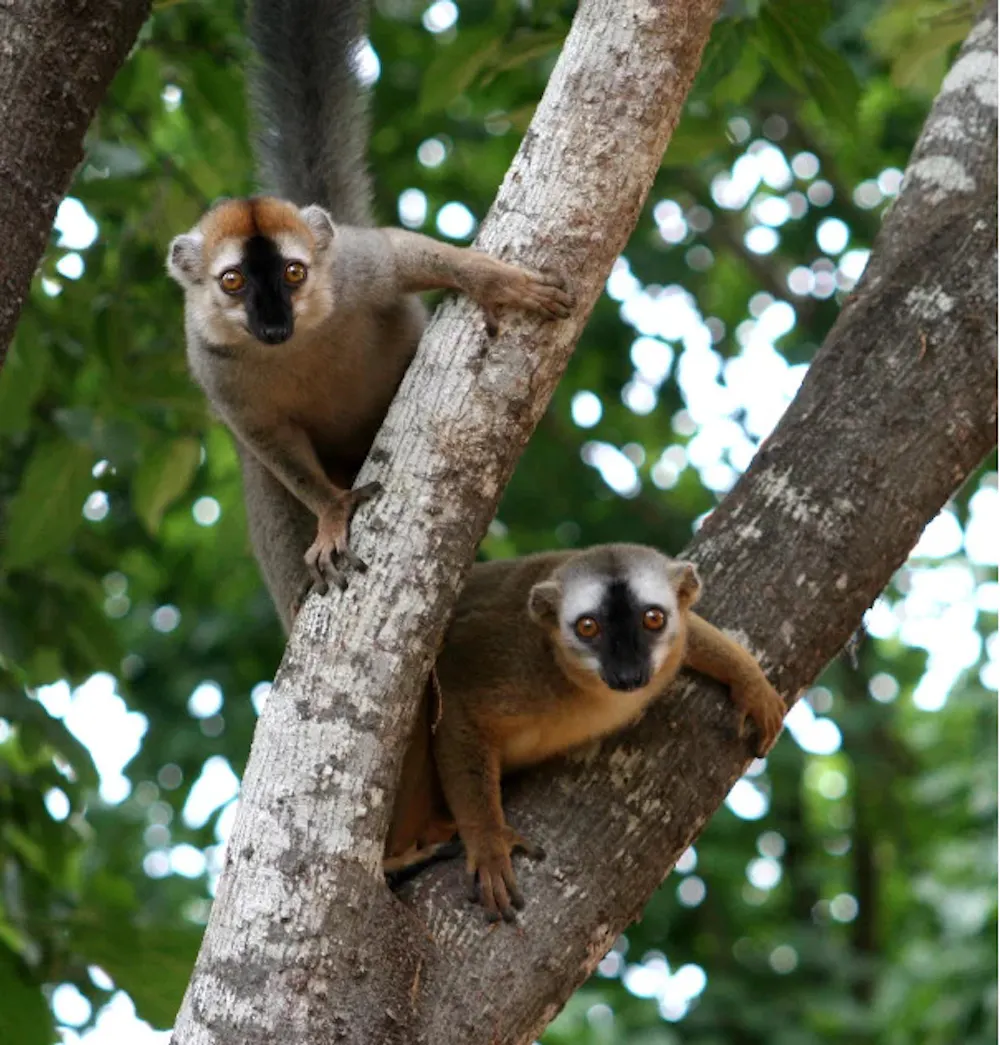
In redfronted lemurs females are the same size as males. Claudia Fichtel, Author provided (no reuse)

But it’s not that simple, as the research of our colleagues and our own work on various primates has shown.

We reviewed studies of primate species and found that power relationships between the sexes varied significantly. In our sample, only 25 species exhibited clear male power, 16 exhibited clear female power, and the remaining species (about 70%) exhibited moderate or no sex biases in power. Most primate females can compete directly with males and often overpower them.

Size and strength differences between males and females

Males don’t always have all the power even when they are much larger and stronger than females.

In an earlier study, we showed that female mandrills in Gabon sometimes outrank males that are more than three times heavier than them.

Female mandrills are smaller than males but can overpower them. Nikos Smit, Author provided (no reuse)

Gorillas are an interesting case too. Apart from the big difference between males and females in body and canine tooth size, they are also typically presented (by scientists and non-scientists) as the species with the strictest male-biased power over females among great apes. They’ve become the “male power archetype” among animals.

We drew on 25 years of data about mountain gorillas in Uganda, to test if males strictly overpower females. Our findings suggest that females may leverage support from the most powerful males to gain power over other males. Or they may leverage access to themselves, and some males yield to females to acquire such access.

Our findings in mandrills and gorillas contribute a new perspective on the ecology and evolution of female-male power relationships in great apes and other primates that is not solely based on size and strength. They call for future work to investigate similar long-standing assumptions regarding the evolutionary origins of intersexual relationships across species.

Factors influencing power across primates

Our comparative analysis showed that intersexual power is influenced by different factors. Generally, females rely less than males on physical force and coercion in order to gain power. Female power is more likely to prevail in species that are monogamous, have little or no body size difference between adult females and males, and/or forage primarily in trees. These are conditions that give females greater control over reproduction.

By contrast, male power is more likely to prevail in species where males mate with multiple females, are primarily terrestrial, and have larger bodies or greater weapons than females.

Even when these conditions are met, however, there isn’t always a clear-cut bias in intersexual power of a social group or species.

Gorilla males weigh almost twice as much as females. Martha M Robbins/ MPI-EVA, Author provided (no reuse)

Male mandrills and gorillas mate with multiple females and are terrestrial. In these species males generally have more power than females, and the highest ranking individual in a group’s social hierarchy is always a male. Yet power is not clear-cut and females can overpower other males.

What males and females compete for

Finally, our studies suggest that females and males often compete directly over access to resources.

In the comparative study across primates, we found that contests between females and males represented on average almost half of all contests in a social primate group.

In the study on mountain gorillas, we found that power relationships between females and males determined priority of access to a precious food resource, and when a female overpowered a male, she always had priority over him.

Altogether, these new findings suggest that:

  • most primate societies do not have clear-cut sex-biases in power

  • even in species with extreme male-biases in size and strength, females can overpower males

  • females and males compete directly over similar resources.

These findings refine our interpretation of intersexual relationships across animals. They caution against oversimplified views based solely on physical strength while neglecting the complexity of their social landscape.

Finally, this work shows that the human profile does not really resemble other primates where there is clear male dominance or clear female dominance. Instead, humans are closer to those “intermediate” species with moderate and flexible dominance relationships. This can inform attempts to reconstruct power relationships between men and women in early humans.

– Who’s got the power? Studies of male and female primates show it’s not simple
– https://theconversation.com/whos-got-the-power-studies-of-male-and-female-primates-show-its-not-simple-263292