Le Président de la République, Chef de l’Etat, Chef du Gouvernement et Chef Suprême des Forces de Défense et de Sécurité, Son Excellence Brice Clotaire OLIGUI NGUEMA, a présidé ce jour au Stade de l’Amitié la cérémonie de clôture de la deuxième édition du Challenge Interforces des Forces de Défense et de Sécurité, organisée sous le thème : « Le Rendez-vous des champions ».
Après un mois de compétitions ayant mobilisé l’ensemble des Forces de Défense et de Sécurité à travers le territoire national, cette grande finale a consacré les valeurs de discipline, de dépassement de soi, de fair-play et de fraternité d’armes qui fondent l’engagement des hommes et des femmes en uniforme au service de la nation.
Point culminant de cette édition, la finale de football opposant les Forces de Police Nationale aux Forces Armées Gabonaises a été lancée par le Chef de l’Etat. Au terme d’une rencontre disputée, la Police Nationale s’est imposée et réalise un doublé historique en conservant son titre de championne pour la deuxième année consécutive.
Dans un esprit de rassemblement et d’unité nationale, le Président de la République a également participé à un match de gala opposant l’équipe du CTRI à celle des parlementaires, illustrant sa volonté constante de promouvoir la cohésion entre les institutions de la République.
Marquée par des démonstrations sportives, des relais, des épreuves de tir à la corde et un impressionnant défilé militaire, cette édition a confirmé le Challenge Interforces comme un rendez-vous majeur de cohésion, renforçant les liens entre les différentes composantes des Forces de Défense et de Sécurité.
Avant la remise des trophées aux différentes équipes lauréates, le Chef de l’Etat s’est vu décerner le diplôme de l’Ordre des Maîtres de Minh Long, en reconnaissance de son engagement en faveur des valeurs de discipline et de bonnes pratiques des arts martiaux.
En félicitant les lauréats et l’ensemble des participants, le Chef de l’Etat a salué l’esprit de corps, l’engagement et la solidarité démontrés tout au long de la compétition, rappelant que la plus belle victoire demeure celle de l’unité et du service de la patrie.
Distribué par APO Group pour Présidence de la République Gabonaise.
As part of efforts to expand market access and streamline travel through digital innovation, Tourism Minister Patricia de Lille has met with Mexico’s Vice Secretary of Tourism, Dr Nathalie Desplas Puel, and the Secretary of Tourism of Mexico City, Alejandra Frausto, to showcase South Africa’s tourism offering.
“During the opening week of the FIFA World Cup 2026 in Mexico, Minister de Lille met with Mexico’s Vice Secretary of Tourism, Dr Nathalie Desplas Puel, the Secretary of Tourism of Mexico City, Alejandra Frausto and more than 40 leading Mexican tour operators to showcase South Africa’s tourism offering and promote the benefits of the Electronic Travel Authorisation [ETA] system,” the Ministry of Tourism said on Sunday.
The FIFA World Cup kicked off on Thursday. This year’s World Cup is being hosted by the United States of America, Canada and Mexico from 11 June to 19 July 2026.
“With a population of more than 130 million people and a rapidly expanding middle and upper-income traveller segment, Mexico has been identified as one of South Africa’s priority growth markets,” said the Ministry.
It added that Mexico is among the largest outbound travel markets in Latin America, presenting significant opportunities to increase visitor numbers, strengthen tourism ties and unlock greater economic benefits for both countries.
South Africa has already seen encouraging growth from the market, and over the past three years, arrivals from Mexico have increased at an average rate of 13%.
The introduction of the ETA system is expected to further accelerate this growth by making travel to South Africa faster, simpler and more accessible for Mexican travellers. The Minister said the ETA represents a significant step forward in removing barriers to travel.
“This visa reform makes it easier than ever for Mexican travellers to visit our beautiful country. Applicants can apply from the comfort of their homes using a computer or mobile phone and receive their visa within 24 hours. Ease of access is one of the most powerful drivers of tourism growth, and we are already seeing strong interest from key international markets,” she said.
An Electronic Travel Authorisation is a digital authorisation that allows prospective travellers from eligible visa-required countries to travel to South Africa for tourism or visitor purposes without the need for a traditional visitor’s visa.
According to the Ministry, engagements between the Minister and the Mexican officials also focused on strengthening tourism cooperation between the two countries and identifying practical measures to increase visitor flows.
Building on the 2014 Memorandum of Understanding between the Government of the United Mexican States and the Government of the Republic of South Africa, which is currently under review, the two countries have agreed to a three-year Tourism Action Plan (2026 – 2029) aimed at stimulating travel and tourism growth.
Priority areas for implementation include joint destination marketing, sports and culture tourism promotion, participation in tourism trade fairs, knowledge sharing and the expansion of air connectivity.
De Lille said improving connectivity remains central to South Africa’s tourism growth ambitions.
“Air access is a key pillar of the Tourism Growth Partnership Plan. The challenge before us is how we reduce the friction of travel between our countries and make South Africa more accessible to Mexican travellers. Stronger connectivity creates stronger tourism flows, deeper people-to-people ties and greater economic opportunities,” she explained.
Expanding SA’s air network South Africa is already making significant progress in expanding its international air network.
On 24 June 2026, Spanish carrier Air Europa will launch its inaugural direct flight between Madrid and Johannesburg.
In July, Brazilian carrier LATAM Airlines will add three weekly direct flights between São Paulo and Cape Town.
“These new routes will strengthen South Africa’s connectivity with Latin America and Europe, creating additional opportunities to attract visitors from Mexico and supporting the country’s broader tourism growth agenda.
As South Africa continues to expand market access, improve connectivity and streamline travel through digital innovation, Mexico remains a strategic partner in growing tourism, trade, and investment between Africa and Latin America,” said the Ministry. –SAnews.gov.za
HE Prime Minister and Minister of Foreign Affairs Sheikh Mohammed bin Abdulrahman bin Jassim Al-Thani has held a telephone conversation with HE Prime Minister of the Islamic Republic of Pakistan, Muhammad Shahbaz Sharif.
Discussion during the call, addressed bilateral relations and ways to support and strengthen them. The two sides also discussed the latest developments in the region, and Pakistan’s mediation efforts aimed at de-escalating tensions in a way that contributes to enhancing security and stability.
In this context, HE the Prime Minister and Minister of Foreign Affairs expressed the State of Qatar’s great satisfaction with the progress in the negotiations and the Pakistani mediation’s announcement of reaching the final text of the peace agreement, expressing hope that the American and Iranian sides will sign the agreement soon.
His Excellency reiterated the State of Qatar’s full support for the Pakistani mediation efforts aimed at ending the crisis through peaceful means. He underlined the need for all parties to engage with these efforts to create the appropriate conditions, leading to a comprehensive agreement that brings about sustainable peace in the region.
Nelson Mandela Bay adopts budget focused on infrastructure renewal
The Nelson Mandela Bay Municipality has adopted a budget that directs the largest share of infrastructure investment towards communities facing the most significant service delivery backlogs and infrastructure challenges.
The budget prioritises investments in improving water security, upgrading sanitation infrastructure, strengthening electricity networks, rehabilitating roads, improving stormwater systems, and supporting human settlements development. It also seeks to safeguard the long-term financial sustainability of the municipality.
The municipality in the Eastern Cape said the allocations have been guided by the principle that limited public resources must be directed towards communities with the greatest need and where investment will have the greatest impact on service delivery, economic inclusion, and social development.
The budget follows an extensive Integrated Development Plan (IDP) and Budget public participation process, which included engagements with residents, ward committees, community stakeholders and councillors across the metro.
This process ensured that the budget responds directly to the priorities identified by communities and reflects the realities experienced by residents on the ground.
The municipality said the budget is designed to balance two critical responsibilities, accelerating infrastructure development and service delivery, while safeguarding the municipality’s financial health.
The municipality’s investment strategy comes amid growing pressure on infrastructure networks, which have been affected by ageing assets, historic service backlogs and recurring flooding experienced across Nelson Mandela Bay over the past five years.
It prioritises investment in critical infrastructure, protects essential municipal assets, strengthens service delivery capacity and ensures that Nelson Mandela Bay remains financially resilient and capable of meeting its obligations to current and future generations.
The wards within the Lillian Diedericks Cluster, which predominantly include communities in the northern areas, have been allocated R158,825,580, representing 22% of the ward-based infrastructure allocation programme.
The Champion Galela Cluster, which includes New Brighton, KwaZakhele and surrounding communities, has been allocated R152,764,700, representing 21% of the total allocation; the Zola Qini Cluster, covering Kariega, KwaNobuhle and Despatch, has received R151,226,010; while the Alex Matikinca Cluster, which includes Motherwell, Colchester, Wells Estate and Amanzi Estate, has been allocated R124,450,510.
The Molly Blackburn Cluster, which includes Summerstrand, Central, South End and Humewood, has been allocated R88,080,200; the Govan Mbeki Cluster has been allocated R63,764,700.
Nelson Mandela Bay Municipality Executive Mayor, Babalwa Lobishe, said these allocations support critical projects that will improve the reliability and sustainability of municipal services, including pipeline replacement programmes, upgrades to water and wastewater treatment facilities, electricity substation improvements, replacement of ageing cables, public lighting upgrades, road rehabilitation and stormwater infrastructure interventions.
“The budget demonstrates the municipality’s commitment to building a more inclusive, equitable and financially sustainable city. It reflects our commitment to ensuring that communities with the greatest infrastructure needs receive the investment required to improve their quality of life,” the Mayor said. She added that the budget seeks to address long-standing infrastructure challenges while positioning Nelson Mandela Bay for future growth and development.
“We cannot ignore the realities facing communities that continue to experience infrastructure backlogs and service delivery challenges. This budget responds directly to those realities. At the same time, we have a responsibility to maintain financial discipline, protect the municipality’s long-term sustainability, and ensure that every rand spent delivers value for residents.”
Lobishe also emphasised that the success of the budget would ultimately be measured by the quality and pace of implementation.
“Our responsibility now is to ensure that these allocations translate into visible improvements in communities. Through strengthened oversight, improved project management and disciplined expenditure, we will work to ensure that infrastructure projects are delivered on time, within budget and to the benefit of residents.
“A developmental municipality must invest where the need is greatest while maintaining the financial stability necessary to sustain services into the future. This budget achieves that balance. It prioritises the needs of residents, addresses critical infrastructure challenges and lays the foundation for economic growth, investment attraction and improved service delivery,” she said. – SAnews.gov.za
The 13th annual festival of Orotta College of Medicine and Science, which had been underway for six months, concluded on 12 June at the premises of the college here in Asmara.
The festival featured educational, cultural, and sports programs, as well as fashion shows and presentations on the progress of medical education.
Dr. Yemane Seium, Dean of the College, noted that the festival has made a significant contribution to enhancing the capacity, awareness, and competitiveness of the students, in addition to preserving their culture and identity and developing their research and innovative capacity.
Noting the role of college festivals in enhancing the physical and psychological capacity of students, Mr. Abrhalei Asefaw, head of the college branch of the National Union of Eritrean Youth and Students, said that the festival is growing in content and participation from time to time.
Ms. Helen Amine, head of follow-up of the union’s regional branches, said that college festivals are among the activities that the union is conducting in collaboration with colleges. Indicating that the contents presented at the festival attest to the capacity of the students, Ms. Helen expressed the significance of partners’ support.
At the event, Mr. Alemseged Tesfay conducted a seminar for the students on the significance of history for society.
Distributed by APO Group on behalf of Ministry of Information, Eritrea.
The Ministry of Defense has provided three months of vocational training to 175 of its members from the Naval Force, Air Force, and various departments of the Ministry.
In the theoretical and practical training, 29 members were trained in journalism, 37 in still and video camera operation, 59 in graphics, and 50 in computer technology.
Speaking at the closing ceremony of the training, Gen. Filipos Woldeyeohannes, Chief of Staff of the Eritrean Defense Forces, urged the trainees to assume the responsibility of properly documenting the history of Eritrean generations with the aim of transferring it to posterity.
Noting that the training was part of the ongoing effort being exerted by the Promotion and Information Unit of the Ministry to enhance the capacity of its members, Mr. Tesfa’alem Kesete, coordinator of the program, said that the trainees were also provided training on time management, information and its proper usage, as well as artificial intelligence, among others.
Commending the training opportunity they were provided, representatives of the trainees expressed conviction to apply the knowledge they gained from the training in properly documenting the activities of the Ministry. They also called for the sustainability of the program.
Distributed by APO Group on behalf of Ministry of Information, Eritrea.
Call for protection of rights of people with albinism
The Gauteng Department of Social Development has called for the stronger protection, dignity, and equal treatment of persons with albinism.
This as Saturday, 13 June, marked International Albinism Day.
“Persons with albinism must be protected, respected, and treated with dignity. As government, we continue to work with communities to fight discrimination and ensure that no one is left behind,” Gauteng MEC for Social Development, Nomantu Nkomo-Ralehoko said.
Observed annually, the day raises awareness about the challenges faced by persons with albinism, including discrimination, social exclusion, and harmful myths that continue to affect safety and access to opportunities.
“The department continues to work with communities, schools, and non-profit organisations to promote awareness, provide psychosocial support, and strengthen efforts to protect vulnerable groups,” the provincial department said in a statement.
The department further encouraged communities to report any form of discrimination or abuse against persons with albinism and to support ongoing awareness efforts that promote understanding and acceptance. –SAnews.gov.za
Source: The Conversation – Africa – By Mbali Sunrise Dhlamini, Lecturer on the New Generation of Academics Programme (nGAP) in African Language Studies, University of the Western Cape
It’s 50 years since the Soweto uprising in South Africa. On 16 June 1976, tens of thousands of young black South Africans protested against being taught in the Afrikaans language (alongside English) at school.
At the time, under apartheid laws, language, ethnicity and race were all treated as characteristics that defined identity and belonging. Geographic settlement (the artificial system of homelands) added another layer of ethnolinguistic affiliation.
In the case of language, the government designated Afrikaans, now spoken by 10.6% of the population, and English, now spoken by 8.7% of the population, as the two official languages. African languages – spoken by 78.6% of the population at present – had no official status except in the homelands.
These policies made languages political:
black South Africans regarded Afrikaans as the language of the white oppressor
English was seen as the language of education, advancement and opportunities
African languages were maintained as carriers of cultures and ethnic identities.
Each African language of a homeland was linked with ethnic affiliation. This embedded the idea that if one spoke isiZulu (the language), for example, one identified as umZulu (a Zulu person) and one was meant to live in KwaZulu (the “homeland”).
The homelands were abolished in 1994 and nine provinces were created. These provinces, however, still promote official African languages based on their first language dominance in the previous homelands.
As scholars of African languages, it’s our view that the manufactured notions of ethnic allegiance and belonging continue to bar the promotion of African languages in the country.
In a recent paper we looked at the distribution and teaching of languages at South African universities.
We found that English and Afrikaans remain interprovincial languages and are offered across South African universities. African languages still primarily determine the university and province in which prospective African language students can study.
The results suggest that the apartheid pattern of language use hasn’t been broken in the democratic era.
African languages at universities
Our research involved interviews with 10 academics in African language departments. We approached eight South African public universities that offered any of the four official South African isiNguni languages (isiZulu, isiXhosa, siSwati, isiNdebele). These can be classified as varieties of the same language. The research participants were lecturers who taught these languages.
Apartheid policies used language and ethnic affiliation to determine admission to universities in the homelands. So we enquired about the language policies of universities today, especially for admission to study African Languages.
We also asked about the language varieties that the academics accepted for learning, teaching and assessment.
English and Afrikaans are offered in South African universities across the provinces.
But a student’s own language still matters for admission to study an African language. When deciding who to accept, university African languages departments use the African language the applicant studied as a home language in grade 12.
African language courses are taught based on the first languages that the students and most of the lecturers speak.
English and Afrikaans courses at the same institutions accommodate students and lecturers who speak different first languages.
This linguistic setup creates another layer of inclusion and exclusion for African languages in the democratic era. The findings revealed that African languages that many people speak as first languages enjoyed priority over African languages that a minority speak. For example, isiZulu (spoken by 24.4% of the population) and isiXhosa (spoken by 16.3%) were offered by seven of the eight universities in our study. Just one of the eight universities offered isiNdebele (spoken by 1.7%) and siSwati (2.8%).
We found that some academics accepted only the standard language version of the isiNguni language that they taught in their own classrooms. They argued that their teaching practices were guarded by the rules of the standard language. They said this promotes a “pure” and “correct” language variety. Other academics said they accepted all language varieties of the isiNguni languages in their classrooms. They acknowledged that students’ linguistic profiles at universities have changed in the last few decades. Hence, they said their approach was based on respect for all students’ language rights, preservation of all African language varieties, and promotion of student engagement and belonging in the classroom.
Some academics were still upholding the standard language ideology that the apartheid government imposed in the learning and teaching of African languages. Others were opting for approaches that recognise what students actually speak.
African languages should be promoted at a national rather than provincial level.
Higher education institutions should develop their own system of benchmarking language proficiency instead of relying on grade 12 certificates.
Official African languages should incorporate standard and non-standard language varieties.
African languages that are official in some provinces should be taught as second languages in provinces where they are not official. For instance, although Xitsonga first language speakers are concentrated in Limpopo, the language could be taught as a second language in KwaZulu-Natal. Similarly, siSwati could be taught as a second language in the Free State.
Firstly, it would encourage collaboration between African language scholars across the country. It could break silos in the promotion of African languages.
Secondly, African languages could cross provincial borders just like English and Afrikaans. This might change how languages are perceived.
Thirdly, African languages would be accessible to everyone instead of just language experts and their first language speakers.
This could enhance training of teachers, particularly for the advancement of mother tongue-based bilingual education. And it would preserve African language varieties, regardless of the number of their speakers and official status.
Overall, changing the teaching of African languages to avoid the provincial pattern would promote language inclusion and social cohesion.
– Want to learn a South African language? Your options are limited – here’s why – https://theconversation.com/want-to-learn-a-south-african-language-your-options-are-limited-heres-why-284961
Source: The Conversation – Africa – By Kobus Maree, Professor of Educational Psychology, University of Pretoria
Thirty-two years after South Africa became a democratic state, the futures of millions of young people in the country are shaped to a large degree by uncertainty, exclusion, poverty and discouragement. As one lens on this scene, unemployment in the age group 15-34 borders on 46%.
I am an educational psychologist who has done 35 years of research on the career-life stories of young people growing up in contexts marked by extreme poverty, exclusion, inequality and disadvantage. These hardships shape their career development and views of the ever-changing world of work.
I have encountered many young people who have bottled up and eventually internalised repeated experiences of disenchantment, rejection and “failure”. Some have dropped out of education, lacking support. Others have completed their schooling only to learn that marks and qualifications alone could not open doors to successful futures. In many instances, in their environments, unemployment and unemployability have become normalised.
Yet many show resilience, adaptability and determination to find work and to construct meaningful lives.
In a recent journal article, I described an intervention which involved career counselling for a group of 51 disadvantaged black South Africans, aged around 27. They had experienced poverty, unemployment, social exclusion, and limited access to educational and occupational opportunities. I wanted to assess whether counselling could help them use their resilience as a resource. Could it improve their adaptability? And if so, how?
The results showed positive change for most participants following the programme, though the outcomes were uneven.
Structural barriers to finding work remained formidable. Nevertheless many participants developed a stronger sense of agency, hope, adaptability and future orientation. The intervention appeared to help them tell their career-life stories in new ways, with purpose, self-understanding and a shift towards taking action.
These findings underscore the importance of a counselling approach that helps young people recognise and mobilise their strengths, and convert their most significant developmental challenges into assets that benefit both themselves and their communities.
The intervention
In September 2020, the group of young, unemployed, rural South Africans took part in structured career conversations and reflections guided by researchers and career development practitioners. In a workshop and group discussions, we recorded their career interests, strengths and areas for development. They also thought about how their future careers could transform their early life challenges into something positive and empowering.
They explored fields of study aligned with their individual profiles and aspirations that could help them experience meaning, fulfil a sense of purpose and contribute existential value to their career-lives. To this end, they conducted in-depth analyses of occupations associated with their selected fields.
Participants then received guidance on managing emotions, stress and study techniques.
The aim was to elicit themes about their conscious knowledge about themselves and their subconscious insights.
A recurring theme in their reflections was personal development and motivation. Inspiration to work hard, and overcoming adversity, were part of this theme.
They showed a growing awareness of the attitudes, beliefs and competencies necessary to achieve their career-life goals. Their awareness of the need to be adaptable increased. So did their understanding of employment and economic growth realities. They reported increased confidence in defining and achieving their career and life goals. They developed greater clarity about the meaning they wished to find in their work, the contribution they hoped to make to others through their work, and the deeper existential purpose that gives direction to both their work and their lives.
Career adaptability
The intervention used a method called Career Construction Counselling. This is essentially a way to help people come up with their own advice instead of being told what to do. Through reflecting on their own stories, they think of what steps they can take towards their future working life.
This approach is consistent with findings from our career construction and narrative career counselling research. This suggests that reflecting on and reconstructing personal life stories can enhance self-understanding, agency, career adaptability and future planning. Studies have shown that people who actively engage with their own narratives are often better able to identify meaningful career directions, clarify their self- and career identity, identify appropriate study fields, articulate their mission and vision, and develop strategies for navigating future transitions.
The approach emphasises adaptability, which has four elements:
concern (do I have a future?)
control (who is responsible for my future?)
curiosity (what do I want to achieve in my future?)
confidence (can I succeed?).
A year after the intervention, the participants reported back.
Their scores for career adaptability had improved somewhat. The area of strongest improvement was their career confidence.
I concluded that narrative-based career construction counselling can strengthen career clarity, adaptability, and self-directed action among severely disadvantaged unemployed youth.
However, lasting change also requires systemic intervention. Not only is career counselling scarce in South African schools; traditional approaches are often culturally mismatched and fail to empower disadvantaged youth.
Resilience
I’ve noticed that people often speak of resilience as if it’s an end point in itself.
I believe resilience may be understood not as the culmination of coping but as a preparatory phase in the movement from passive endurance towards what the psychologist Mark Savickas calls active authorship (“active mastery”). My belief draws on life design (people actively shaping their careers and lives by constructing meaning, adapting to change, and aligning work with personal values and identity) and career construction perspectives.
From this perspective, the crucial shift lies in supporting young people to move beyond “withstanding” adversity towards re-authoring their experiences.
– Young, South African and unemployed: finding direction starts with knowing yourself – counsellor – https://theconversation.com/young-south-african-and-unemployed-finding-direction-starts-with-knowing-yourself-counsellor-283796
Source: The Conversation – Africa – By Maria Suriano, Associate Professor, Department of History, University of the Witwatersrand, Johannesburg, University of the Witwatersrand
While many men are remembered as heroes of political struggles, women seldom get enough attention. Vesta Smith is a good example. She fought for South Africa’s liberation from white minority rule, called apartheid.
Historian Maria Suriano has written a biography of this activist. With the 50th anniversary of the momentous 1976 Soweto youth uprising in mind, we asked her to tell us about the woman affectionately known as Ma Vesta.
Why is Vesta Smith important?
Vesta Smith was a community activist who dedicated her life to the anti-apartheid struggle, social justice, non-racialism and gender equality.
She participated in key events in South Africa’s history, attending the Congress of the People in 1955, where the Freedom Charter was adopted, and the historic 1956 Women’s March. Two decades later, during the Soweto uprising, Ma Vesta became a trusted mentor to younger militants.
Her political work happened largely outside formal politics. It was grounded in building non-racial and inter-generational networks of care and solidarity. She hid students in her home while they were on the run from the security police and supported the families of political prisoners. She paid the price with four months in prison.
Ma Vesta’s story contributes to efforts to uncover the radical ideas, practices and key figures behind the students’ protests. These helped pave the way for South Africa’s democratic transition and continue to echo in today’s student struggles for decolonisation.
Ma Vesta’s passionate, community-based activism matters because it reveals the importance of “everyday politics” – the small acts of resistance, often outside official politics, that foster personal and collective emancipation.
This invites us to reconsider the dominant narrative of the liberation struggle, long centred on prominent male leaders and party strategies.
Who was Vesta Smith?
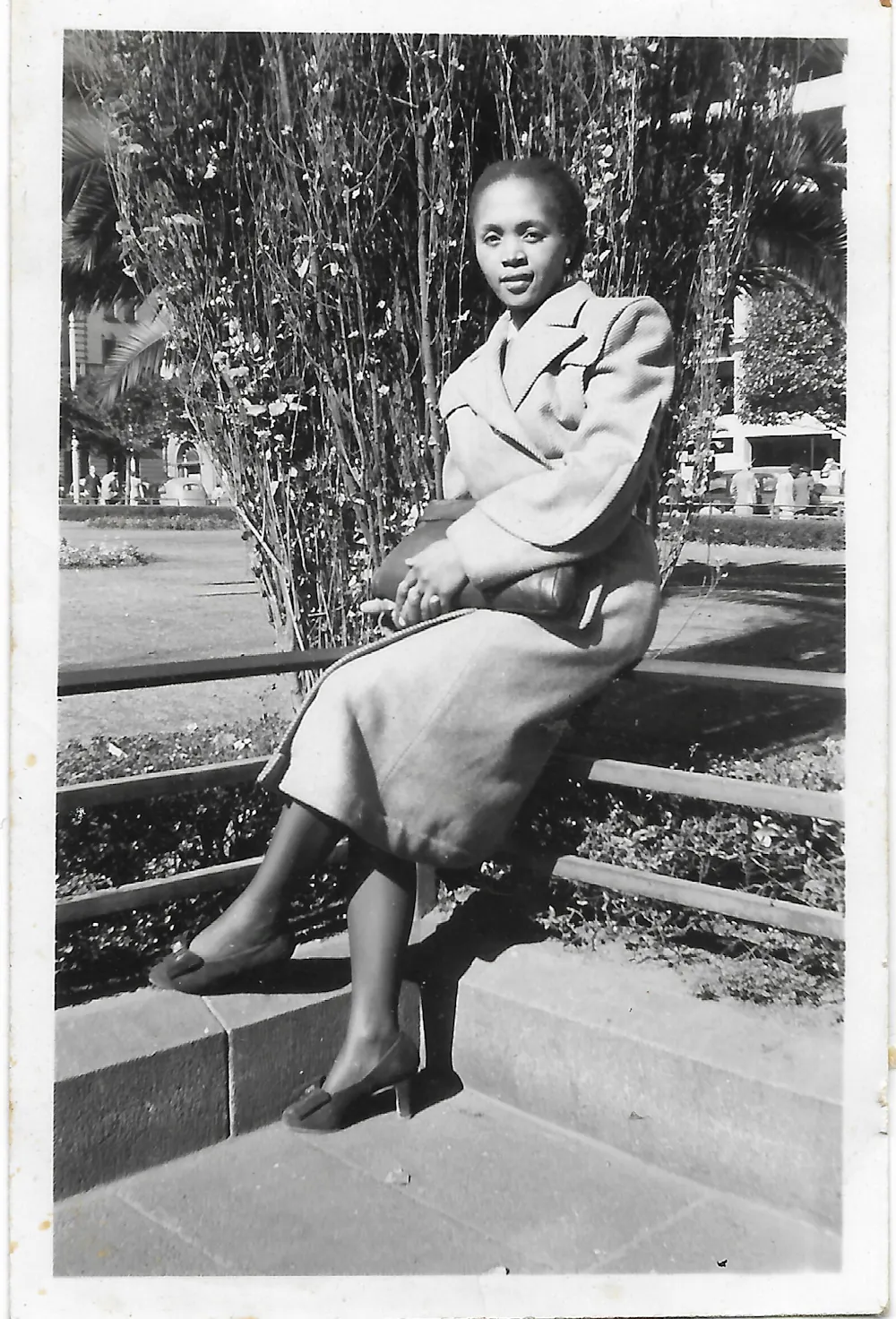
Born in Johannesburg in 1922, she was forcibly relocated in 1941, along with her mother and sisters, to Noordgesig. She lived there until her passing in 2013. Segregation laws governing residential areas reserved this small section of Soweto for poor townspeople classified as “coloured”.
A young Vesta.Courtesy the Smith family
She was born into a stable family. Her father, Stephen Mpama, moved in the circles of Johannesburg’s Black intelligentsia. Her early life was marked by hardships after his premature death in 1927. Inner-city cosmopolitanism shaped her non-racialism, and daily racial discrimination informed her refusal to be subservient to white people.
From the late 1960s to the mid-1990s she worked consecutively for the South African Council of Churches, the South African Committee for Higher Education and the Legal Resources Centre. Although formally an administrator, at these progressive organisations Ma Vesta relentlessly pursued social justice by mobilising her broad political networks.
In the 1980s she connected legal advocacy to Black townships through advice centres, while participating in key anti-apartheid campaigns. After 1994 and the first democratic elections, she advocated for women’s empowerment and poverty alleviation in the townships.
What are the key takeaways?
Drawing on personal conversations with those who knew Ma Vesta and on archival sources, private papers and press coverage, the book is structured around four key themes.
First, her activism was grounded in her faith – fighting injustice was a spiritual duty. Her work within the Young Women’s Christian Association from the 1960s onwards pioneered the idea that Christianity and political activism should be intertwined.
Second, Ma Vesta’s politics were non-sectarian. Although aligned with the African National Congress (ANC) resistance movement, she was a “bridge-builder”. She connected the struggles of the 1950s to those of the 1970s and 1980s as well as activists across generations, townships and ideologies.
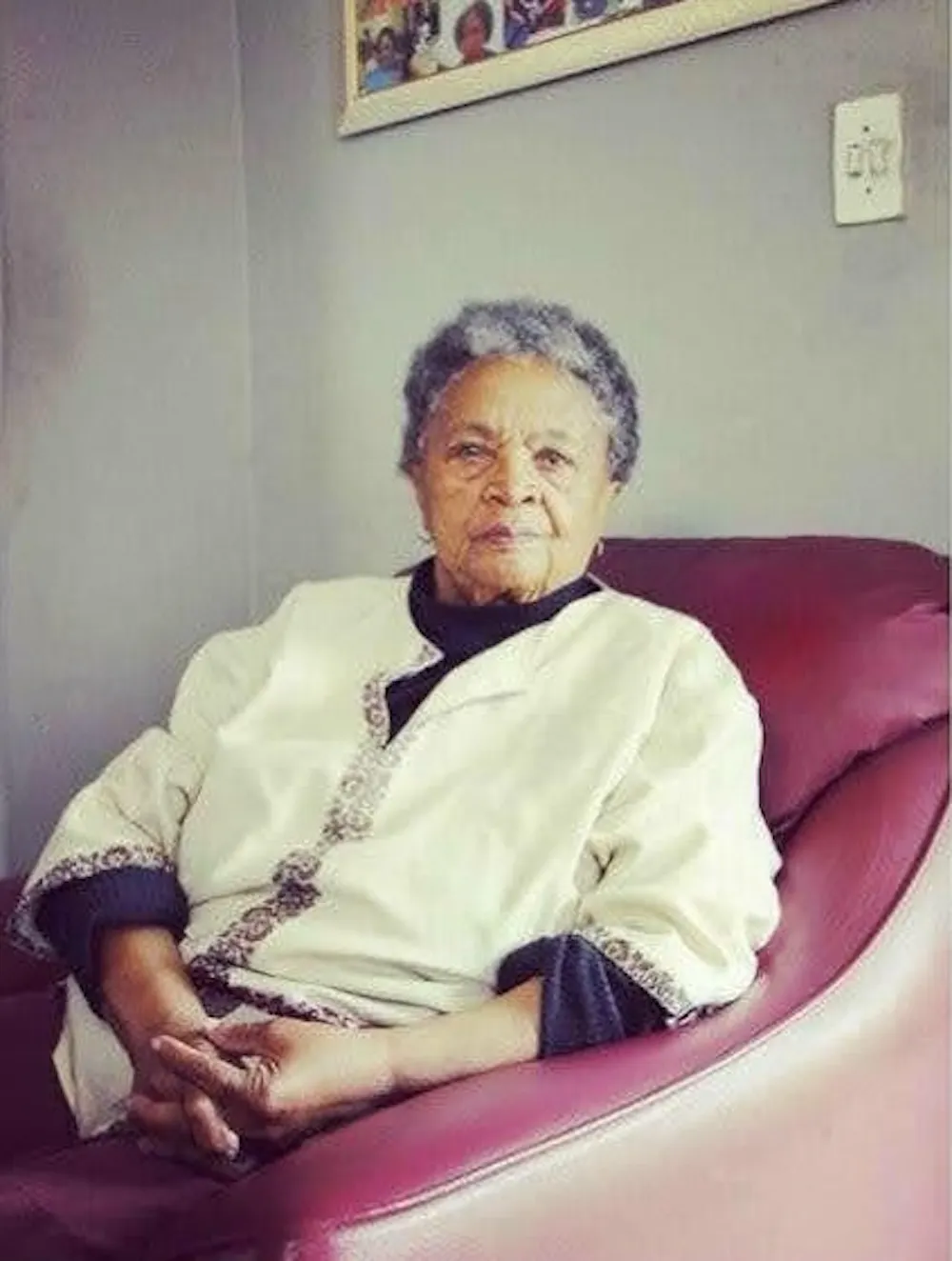
At home in her retirement years.Courtesy the Smith family
Third, non-racialism was central to her political work. The formal and informal, secular and religious connections she forged over time reflected this belief. In the 1970s, her rejection of apartheid categories matched the Black Consciousness Movement. The book traces her friendships and shifting relations with white liberals, alongside her understanding of her Blackness.
Fourth, looking beyond prominent leaders reveals the pivotal yet under-recognised contributions of Black women who worked on the ground. What dominant historical accounts leave out about everyday politics deserves closer examination.
What was her impact on young militants?
During the 1976 uprising Ma Vesta emerged as one of the senior activists who provided practical help, political guidance and emotional support to student activists. This was regardless of their political affiliation.
Many young militants who encountered her in 1976 and afterwards describe her as a formative influence. She helped shape their political thinking and sustained them through difficult times.
She built networks with fellow anti-apartheid activists across generations. This brings into view a political world of friendships and mutual support. What emerges is a collective political biography, but also an intimate portrait. Locating her in Noordgesig extends our understanding of June 1976 beyond its epicentre in Soweto.
Why has she been overlooked?
Ma Vesta’s absence from academic and popular accounts of the liberation struggle reflects broader patterns in how this history has been written.
First, scholarship has focused mostly on male leaders, their strategies and political organisations. It has overlooked community activists and organic intellectuals, particularly Black women outside formal leadership structures. Ma Vesta’s politics were not defined by rigid allegiances. So, figures like her are harder to categorise and less visible in such accounts.
Her erasure may also be attributed to her refusal to accept racialised politics and apartheid racial classifications (black, white, coloured, Indian). This sits uneasily with recent efforts to celebrate iconic struggle figures from coloured communities as “coloured”, a framing she herself would have rejected.
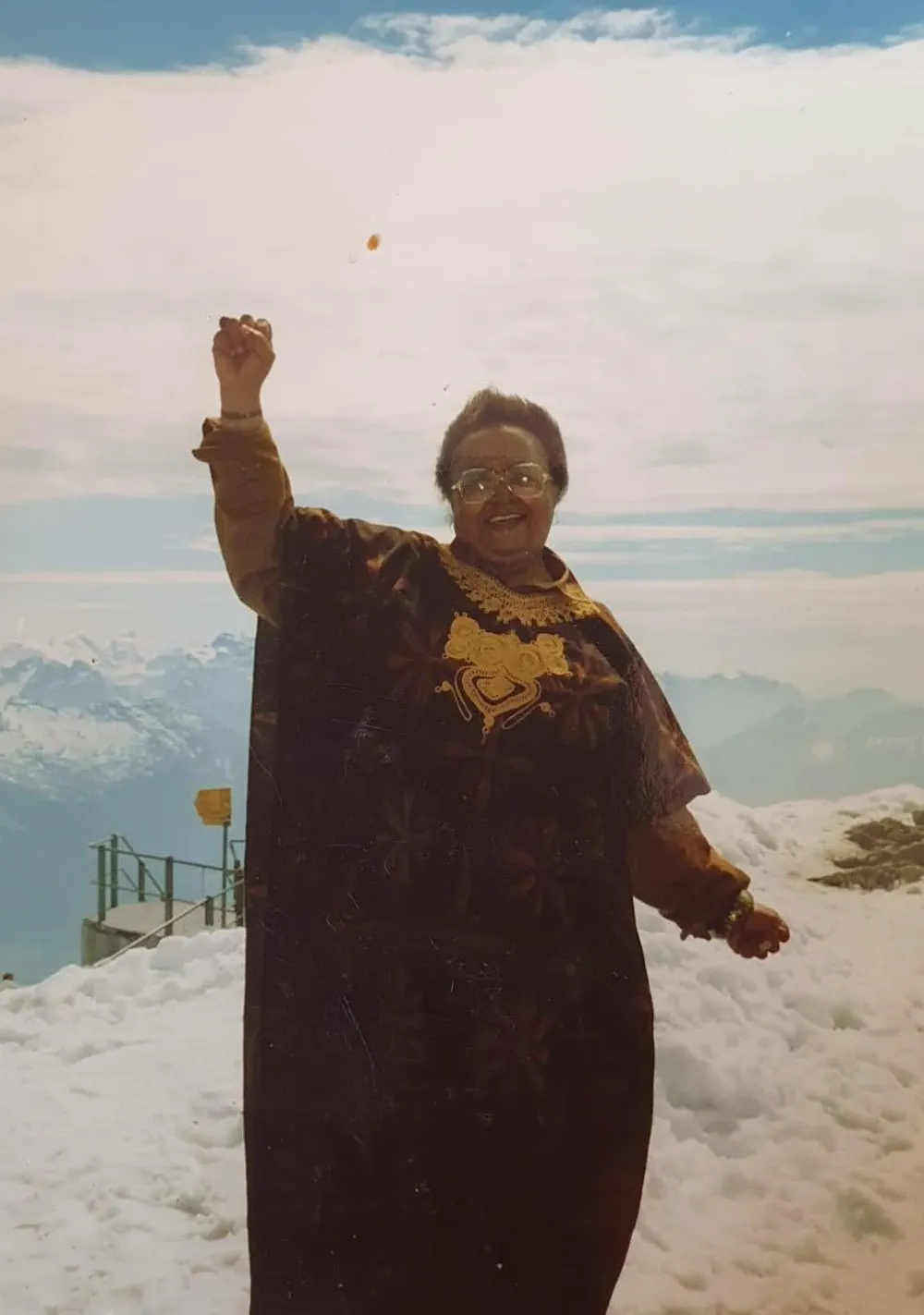
In East Africa, 1985.Courtesy the Smith family
Lastly, she was disillusioned with the unfilfilled promises of the ANC government that won democratic power in 1994. This may have also contributed to her being marginalised.
It’s important to restore Vesta Smith to her rightful place in South African history. Not as a footnote to more famous figures, but as a central example of how grassroots activists can become extraordinary agents of change and liberation.
But recovering this story is not only about correcting the historical record and advancing epistemic justice. It also speaks to pressing contemporary concerns. Her Christian-based activism offers a counterpoint to the recent resurgence of narrow identity politics in the country.
During South Africa’s first major xenophobic attacks in 2008, she called a Johannesburg radio station to question assumptions of national superiority over other Africans. She never grew tired of addressing issues of social justice.
Her commitment to community empowerment after 1994 is also a reminder that the democratic transition was only one step in the struggle for equality and dignity. Above all, her life shows that transformation is often driven by those who work in the background.
– Ma Vesta Smith: why this unsung activist matters 50 years after the Soweto uprising – https://theconversation.com/ma-vesta-smith-why-this-unsung-activist-matters-50-years-after-the-soweto-uprising-280319