
Fink Haysom fought tirelessly for justice and reconciliation – in South Africa and on the global stage

Source: The Conversation – Africa – By Hugh Corder, Professor Emeritus of Public Law, University of Cape Town

The preamble of the South African constitution of 1996 starts as follows:

We, the people of South Africa,

Recognise the injustices of our past,

Honour those who suffered for justice and freedom in our land,

Respect those who have worked to build and develop our country, and

Believe that South Africa belongs to all who live in it, united in our diversity.

It is fitting to start with this reminder, given the extent to which these phrases sum up and embody the life and work of Nicholas (Fink) Haysom, who died in New York City on Wednesday 18 March 2026, a month short of his 74th birthday.

Tributes have poured forth from a wide range of people and quarters, appropriately given the geographical reach and indefatigable energy which characterised Haysom’s life’s work.

This tribute is more limited in scope: given my own friendship and shared experiences with him, it focuses overwhelmingly on the first half of his working life, during the last two decades of apartheid South Africa and the transitional phase to the progressive and robust constitutional democracy that came with liberation.

Notwithstanding the significant impact of his work for the United Nations from the year 2000, the qualities forged in Haysom by his intense involvement in the struggle for democratic practices both in the workplace and wider society under the extreme hostility of the apartheid capitalist order shaped his approach to conflict and strife, wherever it occurred.

It would be remiss, however, not to note the main spheres to which he devoted so much of his life.

For the record, his full names were Nicholas Roland Leybourne Haysom. But he was universally known as Fink, to all comers, and most of us who knew him cannot think of calling him otherwise.

His early life

Haysom was educated at a privileged Anglican college in South Africa’s Natal province during the 1960s. He went on to study at the University of Natal in Durban, where he completed an honours degree in politics.

Durban in the early 1970s was the setting for the nurturing and development of a number of students who became significant activists in the anti-apartheid cause. Many were inspired by the views and mentoring of academics like Rick Turner, an academic activist who was shot and killed at his home by the apartheid regime in 1978.

Among them was a future partner in their law firm, Halton Cheadle. These students were involved in supporting the strike action by dock workers in Durban port in 1972/3, which signalled the revival of independent trade unionism among black workers.

Haysom then moved to the University of Cape Town to complete his LLB (law) degree in 1978. It was in these years that he rose in prominence among the ranks of anti-apartheid activists. The National Union of South African Students (Nusas) had long been a thorn in the side of the regime. But it was rocked to its foundations in 1972 following Steve Biko’s establishment of the South African Students Organisation, founded on black consciousness.

The apartheid regime simultaneously convened the Schlebusch Commission of Inquiry into four “radical” opposition movements, among them Nusas. By 1976, only two campuses remained affiliated to Nusas: the University of Cape Town and the University of the Witwatersrand (Wits).

At the annual congress, held at Wits in December 1976, Haysom was elected president, with the task of galvanising support for Nusas on campuses as well as in broader society, in the aftermath of the 1976 Soweto uprising (when protesting black school students were killed by police).

His leadership and energy, as well as his ability to engage meaningfully with people from very diverse backgrounds and ideologies, revived Nusas. The organisation was also able to forge links more broadly across other anti-apartheid organisations within the country.

Haysom was harassed and detained without trial – then and in the ensuing years.

After graduation, he entered the attorneys’ profession. In 1982 he became a founding partner, with Halton Cheadle and Clive Thompson, of the firm Cheadle Thompson & Haysom – still very much thriving today. During the 1980s it was one of the very few firms of “struggle” attorneys.

The firm worked closely with the emergent independent trade union movement among black workers, as well as other civil movements resisting the consolidation of apartheid in urban and rural areas.

Daily life was extremely tough, and it took its toll on him and those with whom he worked. He simultaneously held an appointment as an associate professor at Wits.

The creation of a democratic state

Haysom was a member of the constitutional committee of the African National Congress and played a critical role in the negotiations which led to the constitutional settlement of 1994.

Again, his human qualities of being able to relate patiently and empathetically to so many diverse groups of people, both among the oppressors and the oppressed, and his great capacity to enjoy good social occasions served him – and the cause of freedom and justice – very well.

Many today unjustifiably downplay the dire risks inherent in the negotiations process, and the possibility of a resort to scorched earth tactics by the apartheid regime. If it was not for a few key participants on all sides in the mould of Fink Haysom, such disastrous consequences would have been realised.

President Nelson Mandela’s assessment of the value of Haysom’s qualities and contributions was realised by his appointment as constitutional and legal counsel in the Office of the Presidency, until 1999. Others have written about the myriad ways in which Mandela relied on Haysom in the heady but often tortuous years of his presidency, during which the constitution was drafted and adopted.

The international stage

Haysom was not retained by President Thabo Mbeki. His professional skills and experience were then devoted to mediating conflict and endeavouring to bring peace to many areas in Asia and Africa, in the service of the office of the secretary general of the United Nations.

The list of his areas of engagement reads like a collection of the sites of major conflicts over the past 25 years: Burundi, Iraq, Afghanistan, Somalia, Sudan, southern Africa, South Sudan.

He served under three secretary generals of the UN, the formal title given to his last and incomplete engagement being the Special Representative and Head of UN Mission in South Sudan (from 2021 till his death).

In recognition of such exemplary service in the cause of human rights, constitutionalism and conflict resolution, both in South Africa and internationally, Haysom was awarded an honorary doctorate in law by his alma mater, the University of Cape Town, in 2012, matched in 2019 by the New York Law School.

Haysom was a gregarious, ebullient person, who enjoyed good food and drink and good company. Born to a privileged lifestyle, he responded not by accepting his status and its material rewards, but by devoting his life’s work to addressing conflict and improving the lives of the poorest sectors of humanity.

The burdens occasioned by the blocking of his efforts and the obstinate clinging to brutal power and the unjustifiable resort to brutality and greed by so many with whom he had to engage wore him down: anyone who looks at a photograph of him, even in middle age, and compares it with one taken in the past ten years will be shocked by the changes.

His responsibilities also took their toll on family life and other non-work pursuits. Most people would have been tempted to quit, faced by these odds. Yet he remained in office, as a warrior for justice and reconciliation, until his death.

Especially now, humankind needs many more like him in positions of influence.

– Fink Haysom fought tirelessly for justice and reconciliation – in South Africa and on the global stage
– https://theconversation.com/fink-haysom-fought-tirelessly-for-justice-and-reconciliation-in-south-africa-and-on-the-global-stage-278922

Senegal stripped of title: Afcon ruling is lawful, but it puts Caf’s reputation at risk

Source: The Conversation – Africa – By Fabrice Lollia, Docteur en sciences de l’information et de la communication, chercheur associé laboratoire DICEN Ile de France, Université Gustave Eiffel

The appeals board of African football’s ruling body, the Confederation of African Football (Caf), on 17 March overturned the outcome of the 2025 Africa Cup of Nations (Afcon) final. Afcon is the continent’s biggest tournament.

On 18 January Senegal had won 1-0 in extra time against Morocco in Rabat. But two months down the road Caf declared a 3-0 score in favour of Morocco, citing violations of Articles 82 and 84 of its regulations. (Three points are the mandatory legal penalty.) Senegal has announced it will appeal to the Court of Arbitration for Sport.


Read more: Afcon drama: what went wrong and what went right at the continent’s biggest football cup in Morocco


As a scholar of information and communication sciences, I have studied how social trust and symbolic mechanisms shape and influence organisational dynamics. In my view Caf’s decision to reassign the title to Morocco is not merely a matter of sports law. It also demonstrates how a regulatory decision can clash with the public narrative of an event and undermine a tournament’s image.

A final is not just a result. It is also a narrative, a memory, and a shared collective moment. When an institution later changes that, it destabilises an already established symbolic order.

A final isn’t just played on the field

Research in Information and Communication Sciences shows that an event never exists just as a raw fact. It exists through the channels that make it visible, tellable and shareable. A continental final involves images, commentary, ceremonial gestures, national emotions, digital reactions, and journalistic narratives.

The winner of a final is not merely determined by a rule or a scoreboard. They are also constructed through a chain of communication that publicly sets the event’s meaning. In this sense, victory is not just athletic; it is also narrative.

For the 2025 Africa Cup of Nations, the story had already settled. Senegal won on the field. The images, commentary and immediate memory of the event had begun to embed this outcome in the public consciousness. When Caf stepped in two months later to legally overturn the outcome, it did more than apply rules. It was altering a story that the public had already embraced.

Was it legal?

Let’s be clear. Caf acted within its laws. Its statement is clear that Senegal’s temporary withdrawal from the field (the players walked off for about 15 minutes to protest a penalty decision) justifies the forfeit.

A sports body cannot claim to uphold the integrity of its competition if it fails to enforce its own rules.

But the legitimacy of this kind of decision also depends on how clearly it can be read and understood by the public.

Caf’s reputation under strain

This is where an information communication perspective can help make sense of things. The crisis is about a mismatch between several competing forms of legitimacy, or “truth” – the law, the field outcome, the images of it and how people receive it.

Any sports governing body has to make its rules credible in the eyes of the public. When a decision comes after the symbolic end of the event, it creates confusion in meaning.

The question shifts to whether it can still align its message with what the public understands of the competition.

Research shows this matters deeply. An institution depends on its ability to make its decisions seem coherent and acceptable.

The Senegalese Football Federation’s announcement of an appeal adds fuel to the fire. The final no longer exists as a stable end point. It continues to exist as a controversy, an unresolved matter.

Afcon is not just a football tournament. It is a continental sports brand. Its value does not rest solely on the quality of the play or its audience reach. It is also about story. A major competition produces heroes, images, emotions, memories. It also promises a form of symbolic clarity: in the end, a winner should emerge in a way that is understood and shared.

Its symbolic certainty is a valuable resource in the attention economy.

The controversy does not erase Afcon’s value, but it reshapes it. It shifts the event from a celebration to a dispute. And this shift is never neutral for a sports brand that also thrives on prestige, collective memory and trust.

Business risk

The issue extends beyond sport. It speaks directly to business. Sponsors, broadcasters, investors and tourism stakeholders do not only seek visibility. They also look for a stable, trustworthy and predictable environment.

The Afcon drama sends mixed signals. It demonstrates Caf’s commitment to enforcing the rules. But it also shows that a major event can remain symbolically unstable after it seemed over. This doesn’t always scare business partners away. But it adds reputation risks. It undermines the trust needed to attract investors.

For host nation Morocco, the event brought good economic gains. Hosting such a major tournament is not just about logistics. It also projects the image of a reliable country, able to manage a complex international event.

On the technical side, the tournament strengthened this image, especially ahead of the country co-hosting the 2030 men’s Fifa World Cup.


Read more: Morocco will co-host the 2030 World Cup – Palestine and Western Sahara will be burning issues


But the controversy serves as a reminder that a country can host well technically, yet lose some reputation gains due a crisis of meaning.

Bad for communication

In the age of viral images, instant controversies and reputation economies, legitimacy is not built by rules alone. It is also built on the public interpretations that arise.

A disconnect does not just affect a confederation or two national teams. It is an entire ecosystem of trust that is shaken. That includes the competition, its partners, and, indirectly, the host country as a credible organiser of major events.

– Senegal stripped of title: Afcon ruling is lawful, but it puts Caf’s reputation at risk
– https://theconversation.com/senegal-stripped-of-title-afcon-ruling-is-lawful-but-it-puts-cafs-reputation-at-risk-278855

Namibia: the history of a country shaped from a rich and traumatic past

Source: The Conversation – Africa – By Henning Melber, Extraordinary Professor, Department of Political Sciences, University of Pretoria

Namibia might not be well known in many parts of the world. But the arid southern African country has an extraordinary history.

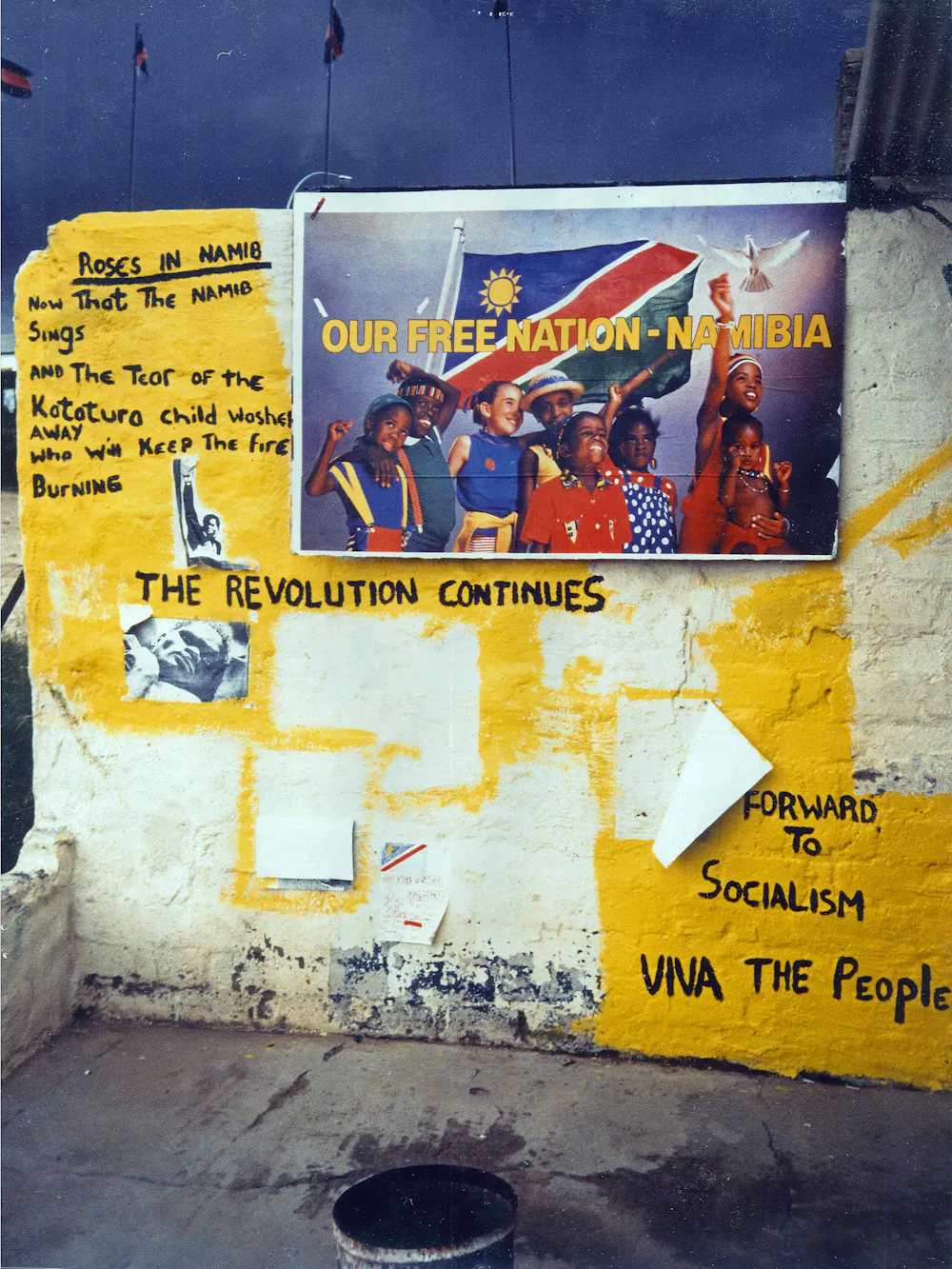
Rich in indigenous cultural diversity, Namibians lived for more than a century under German and South African rule. Their anti-colonial resistance shaped the country from 1960 to independence on 21 March 1990 and beyond.

Henning Melber is a political scientist who works with this history. In numerous books he has tried to understand Namibia. His latest effort is a history for German speaking readers. We asked him about it.


What is the German connection?

Namibian and German histories have been entangled since the mid-1800s when German missionaries interacted with local communities. German settler-colonial rule followed in 1884.

C.H. Beck

The complicated ties with Germany remain alive today. Namibia’s three million inhabitants include an estimated 15,000-20,000 White German speakers. They outnumber those during colonial times and maintain minority rights, with their own institutionalised identity. Namibia has the continent’s only German daily newspaper and a German radio programme by the public broadcaster.

Likewise, Namibia is the most prominent African country in the German public sphere. Hundreds of thousands of German speakers visit the country every year – almost half of Namibia’s overseas tourists are from German speaking countries.

Before independence, the West German parliament adopted a resolution declaring a special responsibility for Namibia. It referred to the German speakers in the country as the reason, without mentioning the colonial history.

The book includes the role Germans played and continue to play. I came to Namibia as the young son of German emigrants in 1967. When I was 24, in 1974, I joined the South West Africa People’s Organisation (Swapo), the liberation movement fighting for independence. The book is therefore also partly a personal history.

What is Namibia’s early history?

In contrast to the colonial view, Namibia’s territory has neither been uninhabited (terra nullus) nor unknown (terra incognita).

Traces of human life date back over 200,000 years. Known sandstone engravings are 27,000 years old.


Read more: Emperor moths in the rock art of the Namib Desert shed new light on shamanic ritual


The country’s world famous rock art has World Heritage Site status. Some of the paintings date back 3,000 years, created by the Bushmen (San) groups as the country’s first peoples. Migration within Africa added to the local ethnic diversity.

As hunters and foragers with high mobility, Bushmen became marginalised when newer groups claimed land. Like other indigenous minorities, some now earn a living as tourist attractions.

What happened under Germany?

Germany’s first colony was based on fraudulent land deals in 1883 and 1884 by the merchant Adolf Lüderitz, acting under German “protection”. He tricked the local Nama chief into giving away much more land than intended.

German negotiations with the Portuguese and British established the borders of the current state in the early 1900s. The British harbour enclave of Walvis Bay was integrated in 1994.

From the early 1890s, local resistance to colonisation was met with brute force. Leaders were executed, and communities forced into “protection treaties”. In 1893 the massacre at Hornkranz was the writing on the wall. Over 80 women and children of the Witbooi Nama were murdered by German troops.


Read more: Namibia’s forgotten genocide: how Bushmen were hunted and killed under German colonial rule


Settler colonial encroachment became an existential threat. In 1904 the Ovaherero resorted to armed resistance. They were joined by the Nama. The German military response ended in the first genocide of the 20th century.

An estimated 80% of the Ovaherero and 50% of the Nama were killed, plus an unknown number of Damara. German settlers organised hunting safaris to exterminate the Bushmen.

Nama and Ovaherero were imprisoned in concentration camps on Shark Island, in Swakopmund and elsewhere. Their land was appropriated, and strict segregation through laws and reserves was imposed.


Read more: Germany’s genocide in Namibia: deal between the two governments falls short of delivering justice


Apartheid – institutionalised racial segregation – is usually associated with South Africa, where it was entrenched in law in 1948. But I argue it was in fact a German invention.

German colonialism left scars and open wounds, mainly among the descendants of the decimated indigenous communities. In 2015, the German government admitted to genocide. Negotiations between the governments have tried to come to terms with this crime, but reparations remain a contested issue.

How did South Africa end up running the country?

After the fist world war, the League of Nations turned all German colonies into mandates. These were administered by member states of the allied forces until their inhabitants were able to govern themselves.

The Union of South Africa got the mandate over neighbouring Namibia, then named South West Africa. This meant annexation in all but name. South Africa would later refuse to remain accountable to the United Nations (UN) Trusteeship Council, which exercised oversight over the mandates.


Read more: Windhoek’s Old Location was a place of pain, but also joy – new book


This motivated the UN to declare Namibia a “trust betrayed”. In 1971 South Africa’s mandate was revoked by the International Court of Justice.

After long negotiations a one-year transition under UN supervision paved the way for decolonisation. Independence was declared on 21 March 1990 and Namibia became the 160th UN member state.

How did organised resistance emerge?

The genocide had decimated the people needed as labour for the settler economy, so the German administration established a system of contract labour. Workers from the northern region under indirect rule, the so-called Ovamboland, were recruited.

The first coordinated resistance emerged within the ranks of the contract labour movement. It was a nucleus for the formation of Swapo.

Independence was finally won in 1990. Image: Henning Melber

Swapo was founded in 1960 after the killing of unarmed demonstrators, who refused forced resettlement from Old Location, a residential area for Africans in the city of Windhoek. In 1966 it began an armed struggle. In 1976 the UN recognised Swapo as “the sole and authentic representative” of the Namibian people.

The warfare against the South African regime mirrored the ambiguities and dilemmas of most armed liberation struggles. Swapo’s military command structure in exile enforced a non-democratic, centralised totalitarian mindset and a willingness to violate human rights. But the war was a relevant factor to end the foreign occupation by a White minority regime.

How has the past shaped the present?

Germans and Namibians share the long shadow of German colonialism. Most Germans know little about German colonial history. But its legacy continues to influence Namibian realities.

This is most visible in the inequality of land distribution. For the descendants of those robbed of their land, colonialism remains present. Many consider German development cooperation as another form of injustice.


Read more: Namibia celebrates independence heroes, but glosses over a painful history


Swapo transformed into a dominant party in government. It cultivates heroic narratives and a selective patriotic history. A new Black elite justifies its privileges with the struggle sacrifices.

Namibia has, after South Africa, the highest social inequality in the world. This points to the limits of liberation.


Read more: Podcasts bring southern Africa’s liberation struggle to life – thanks to an innovative new audio archive


But Namibians live in relative peace and freedom. The constitution protects civil liberties and democracy. It entrenches the rule of law. These essentials have remained respected in governance since independence. Despite all the shortcomings, it is worth it for the colonised to fight for such a society – not only in Namibia but anywhere in the world.

– Namibia: the history of a country shaped from a rich and traumatic past
– https://theconversation.com/namibia-the-history-of-a-country-shaped-from-a-rich-and-traumatic-past-277655

Oil price surge is hurting African economies: scholars in Ethiopia, Kenya, Nigeria, Senegal and South Africa take stock

Source: The Conversation – Africa – By Stephen Onyeiwu, Professor of Economics & Business, Allegheny College

The attacks by the US and Israel on Iran, which started on 28 February 2026, upended key supply chains, driving oil prices above US$100 a barrel. The spike followed Iran’s closure of the Strait of Hormuz in response to the US and Israeli action. About 20% of the world’s oil supplies are transported through the strait.

In the words of the International Energy Agency:

The war in the Middle East is creating the largest supply disruption in the history of the global oil market.

The impact is being felt by countries across the globe. African countries are no exception, including those that produce oil.

We asked five scholars from Nigeria, South Africa, Senegal, Kenya and Ethiopia to answer the question: Is the spike in oil prices hurting your country’s economy?

The answer was a uniform “yes”. The universal fear is the effect the rise in prices is having on fuel, a staple commodity in every one of the countries for ordinary people as well as industries. In some cases, such as Ethiopia, the government has already introduced fuel subsidies to shield people from the impact of having to pay more at fuel pumps.

The fear that higher prices and outright scarcity could have damaging effects, notably on food production, was also near universal.

For some there may be a silver lining: Kenya and Senegal are in the early phases of oil production. But they’re some way off reaping the benefits of higher prices. And in the case of Nigeria, the danger is that any windfall that comes its way won’t ease the economic burden faced by ordinary people.

– Oil price surge is hurting African economies: scholars in Ethiopia, Kenya, Nigeria, Senegal and South Africa take stock
– https://theconversation.com/oil-price-surge-is-hurting-african-economies-scholars-in-ethiopia-kenya-nigeria-senegal-and-south-africa-take-stock-278679

Ethiopia’s national dialogue was meant to heal the nation, but divisions are deepening

Source: The Conversation – Africa – By Dereje Melese Liyew, Lecturer, Political Science, Debre Markos University,

Ethiopia launched a national dialogue process in 2022 to address deep political divisions and help steer the country towards stability.

In theory, such dialogues can help societies move beyond war, rebuild trust and agree on new political rules. This has happened in countries such as Kenya, Tunisia and Yemen.

Ethiopia’s process involved setting up a national dialogue commission. It stated it wanted to build national consensus, strengthen nation building and support democratic transition.

The working mandate of the Ethiopian National Dialogue Commission has been extended twice. First for six months in February 2025 and then for eight months in February 2026.

However, the dialogue is not on the right track. I have researched Ethiopia’s political landscape and peace efforts for nearly a decade, and in a recent paper, I examined why the dialogue process is facing a crisis.

I found that Ethiopia’s national dialogue is struggling due to legitimacy deficits, limited inclusion and weak process design. Four years after the process launched, it has produced limited tangible outcomes.

Mesfin Areaya, chief commissioner, Ethiopian National Dialogue Commission. ENA

National dialogues are most effective when they are broadly inclusive, trusted by key actors and conducted in a relatively stable political environment.

Ethiopia’s current context raises doubts on all three fronts.

The process has excluded influential political and armed actors. Opposition groups and civil society actors have also raised concerns about the commission’s independence from the ruling party. Ongoing conflicts further undermine the conditions needed for sustained negotiation.

These issues risk undermining the dialogue before it delivers meaningful results. This matters because national dialogue was meant to resolve Ethiopia’s political disputes peacefully. If it fails, the country risks missing a chance to manage conflict without violence.

Inclusivity

Inclusiveness is a defining feature of successful national dialogues. Key political forces, including armed groups, must see the process as a legitimate forum for negotiation.

In Ethiopia, several influential actors are absent.

Armed groups such as the Oromo Liberation Army, the Tigray People’s Liberation Front and the Amhara Fano have not been part of the process. Yet these groups are central to ongoing conflicts in Oromia, Tigray and Amhara regions. Holding a national dialogue while major armed confrontations continue – and without the participation of those directly involved – raises practical and political concerns.

Some opposition parties and civil society groups have also complained of inadequate consultation during the preparatory phase.

Exclusion weakens ownership. Without ownership, implementation becomes unlikely.

Trust

A national dialogue is usually convened during political crises or transitions. Its purpose is to bring together political forces, civil societies and non-state armed groups to negotiate fundamental questions about the state.

Ethiopia’s political tensions are rooted in unresolved questions about state structure, identity, historical narratives, the constitution and the balance between unity and self-determination.

A genuine dialogue could provide a platform to address these foundational disputes. However, the way the process has been designed and implemented has generated resistance.

One of the most contested issues has been the selection of commissioners.

The 11 members of the commission were appointed by parliament. Critics argue that the ruling party, which holds a majority of seats, dominated the process. Several opposition parties questioned the way the commission was set up.

When major political actors doubt the neutrality of conveners, the credibility of the entire process suffers. In divided societies, even the perception of bias can discourage participation.

In Ethiopia’s case, some opposition leaders have described the dialogue as a government-driven project rather than a nationally owned process. That perception alone is a serious obstacle.

There is also deep societal mistrust. Public confidence in political institutions – including parliament, courts and security institutions – has declined in recent years.

Dialogue requires a minimum level of trust before it can change anything.

Instability

National dialogues can occur during fragile transitions. But they rarely succeed in the middle of active and expanding armed conflicts.

Ethiopia continues to experience violence in multiple regions. In Tigray and parts of Amhara and Oromia, insecurity limits even basic state functions. Under such conditions, it’s difficult to set an agenda and get broad participation.

Ethiopia’s position in the Horn of Africa adds another layer of complexity.

Tensions linked to its Grand Ethiopian Renaissance Dam and shifting alliances involving Egypt, Sudan, Eritrea and Somalia have heightened regional rivalries. Gulf States have also expanded their influence in the region.


Read more: Egypt-Ethiopia hostilities are playing out in the Horn – the risk of new proxy wars is high


National dialogues are domestically driven. However, external geopolitical competition can shape internal dynamics through diplomatic pressure, economic leverage or security alignments. A fragile domestic process becomes even more vulnerable in such an environment.

Experiences with national dialogues from Sudan, South Sudan and Kenya offer mixed lessons for Ethiopia.

In Sudan, dialogue initiatives lacked genuine political openness and failed to create an environment for talks. In South Sudan, there were questions about government interference, and key opposition actors weren’t included. Kenya’s 2008 dialogue, by contrast, succeeded in halting violence and led to constitutional reform. This was largely because it included major political rivals and was supported by mediation that was accepted.

The core lesson is consistent: inclusion, neutrality and timing matter.

Is a reset necessary?

Some Ethiopian scholars and political actors argue for pausing and rethinking the dialogue.

In my view, a reset should involve:

  • re-examining how commissioners are selected to ensure the process is seen as fair

  • expanding engagement with opposition parties and civil society

  • exploring ways to include or at least negotiate with influential armed groups

  • taking parallel steps to reduce violence and build confidence.

A national dialogue is not a magic solution. It cannot, on its own, resolve deep ideological disagreements. But it can help manage them if the process is widely seen as legitimate.

If Ethiopia’s dialogue continues without addressing concerns over trust, inclusion and ongoing conflict, it risks becoming another missed opportunity in the country’s long political transition.

The stakes are high. A credible process could help stabilise the political landscape. A flawed one may deepen scepticism and polarisation.

– Ethiopia’s national dialogue was meant to heal the nation, but divisions are deepening
– https://theconversation.com/ethiopias-national-dialogue-was-meant-to-heal-the-nation-but-divisions-are-deepening-278321

Sierra Leone’s digital ID push: how local brokers help citizens gain legal identity

Source: The Conversation – Africa – By Laura Lambert, Senior Researcher, Leuphana University

An estimated 542 million Africans lack identity cards and potentially face statelessness. Without a legal identity, they can be excluded from basic human rights like education, healthcare and protection.

Most African countries have tried to rectify this by adopting a digital identity system to provide “legal identity for all, including birth registration” according to the Sustainable Development Goal 16.9 by 2030. Digital identity systems use databases to store biometrics and personal identity information together.

These systems claim to abolish identity fraud and corruption, because the identity is permanently fixed in the database and cannot easily be tampered with. In practice, however, creating and maintaining the system relies on many intermediaries. Chiefs, legal personnel, local authorities, teachers, employers, document brokers, family and friends all participate in enrolling, updating and certifying identities. These intermediaries make the system vulnerable to manipulation. But without them, hardly a legal identity could be established.

Within a transnational research project on digital identification, I have done ethnographic research with some of these intermediaries in Sierra Leone. I argue that they act as “brokers of citizenship”. They support people in becoming citizens by establishing an understanding of who is a citizen and what it means to be a citizen in terms of rights and duties.

In Sierra Leone, they have helped more than six million undocumented citizens to be included in the digital civil register and obtain a legal identity. My research in Sierra Leone illustrates that intermediaries have a crucial role in achieving the goal of citizenship for all.

Leave no one behind

Digital identity projects pursue the “one person, one identity” rule. They promise to create a permanent, secure and unique official identity for everyone based on linking a person’s biometrics to a permanent digital government database. Secure ID cards or birth certificates are then delivered based on these data entries.

But the process to obtain this official identity is a challenge for many people in Africa and more broadly the global south. People without sufficient recognised documents like birth certificates have difficulties in proving their identity. Minority ethnic groups, migrants, refugees and borderland communities struggle to prove their citizenship. Those excluded from citizen documents thus risk further exclusion from getting the new digital identities.

ID services are often distant and expensive. In rural populations especially, there is a need to travel far to registration centres. Rolling out digital identification to people in remote areas needs equipment, electricity, connectivity and tech-savvy staff. In Sierra Leone, the new digital ID card for citizens costs 165 Leones (about US$8). It is seven times more expensive than the old paper card.

Despite the promise of the Sustainable Development Goals to “Leave No One Behind” and provide digital identity for everyone, many Africans indeed risk being left out. Intermediaries are crucial for remedying these gaps.

Making identities official

Sierra Leoneans without sufficient documents to register for a digital identity can approach a “justice of the peace”. These usually retired men and a few women are appointed by the government to document oaths. Citizens can swear an oath about their identity to this official or his or her clerks. Against a small informal fee paid by the client, they document the claims about their name, date and place of birth on a form, a so-called “affidavit”. My research shows that this renders the identity claim of the client official.

Citizens can then use these affidavits to get biometrically enrolled at the responsible state office, the National Civil Registration Authority. Officials at the state office told me they widely trusted the declared information: “What you put on it is what we now believe in.” They appreciated this work of the justice of the peace, because otherwise undocumented people would be “disenfranchised” and risk becoming stateless.

As a colonial legacy, justices of the peace exist in many countries worldwide. There’s a risk they can exclude people based on discriminatory understandings of citizenship drawing on race, ethnicity or indigeneity for determining belonging. But they have played a crucial role in the inclusion of underdocumented people as citizens in digital identity projects.

Bridging the state and marginalised citizens

Justices of the peace do not only formalise identities. They are a bridge between the administration and marginalised citizens.

The Sierra Leonean justices of the peace are selected by the president of the republic for their good character and authority in their community as long-term civil servants, pastors, imams or chiefs. They hold a lot of authority and knowledge on the state and the administration.

In contrast to their status, many of them operate from a small table right in the bustle of urban informality. This is crucial for being accessible to marginalised citizens who might be fearful of contact with the administration. They might know little about its workings and experience civil servants as condescending or even authoritarian. They share information with citizens on how the administration works and give them advice on how they should act when they want to get the ID card.

Inclusivity needs intermediaries

In contrast to their promise, digital identities do not abolish intermediaries. Instead, they rely on the intermediaries’ work for identifying people and orienting them in the process. In addition to the justices of the peace, many other relatives, chiefs and state officials get involved in people’s identification. Although their involvement may make the system vulnerable to manipulation, intermediaries will remain important in the years ahead to remedy the civil registration gaps in Africa.

The work of these intermediaries has far-reaching consequences for achieving the Sustainable Development Goal 16.9 and for bringing citizenship into being.

– Sierra Leone’s digital ID push: how local brokers help citizens gain legal identity
– https://theconversation.com/sierra-leones-digital-id-push-how-local-brokers-help-citizens-gain-legal-identity-276336

Sea levels around Africa are rising faster than the global average: what’s behind this alarming trend

Source: The Conversation – Africa – By Franck Ghomsi, Postdoctoral Fellow, Nansen Tutu Centre, University of Cape Town

For over three decades, satellites orbiting Earth have measured the height of the ocean surface with remarkable precision. These measurements are crucial because changes in ocean height are one of the clearest indicators of how our planet is responding to climate change. Rising ocean surfaces signal warming temperatures, melting ice and shifting ocean currents.

These all directly affect coastal communities through flooding, erosion and habitat loss. Even a small rise in the baseline sea level means that normal tidal cycles and storm surges reach further inland. This can turn high tides into damaging flood events.

Many people assume ocean levels are uniform, like water sitting flat in a bathtub. In reality, the ocean surface is surprisingly uneven. Winds push water in certain directions. Ocean currents redistribute heat. Temperature differences cause water to expand or contract. Even variations in Earth’s gravity field create bumps and dips in the sea surface. All these factors combine so that sea level can vary by tens of centimetres from one region to another.

When we say sea level has risen, we’re comparing it to a stable reference level, the distance between the satellite and the ocean surface.

I’m an oceanographer and geophysicist who specialises in these measurements. My research team and I analysed ocean height measurements collected by radar instruments on orbiting satellites from 1993 to 2024, for all waters surrounding Africa.

Our analysis revealed that African seas have risen by approximately 11.26cm since 1993. This process is driven by warming waters and melting ice.

African sea levels are rising by approximately 3.54 millimetres each year, which exceeds the global average of 3.45 mm/yr. Perhaps more troubling is that the pace of rise is speeding up, especially in African waters. This acceleration is a long-term trend driven by ongoing ocean warming and ice sheet melting, and it persists regardless of whether any individual year features an El Niño or a La Niña. The ocean continues to absorb heat and receive meltwater from ice sheets year after year, and it is this relentless accumulation, not any single climate cycle, that drives the long-term acceleration.

Africa’s 38 coastal nations are home to over 200 million people living near the shore. Rising seas threaten these communities with flooding, coastal erosion, and saltwater contamination of drinking water and farmland. Rising and warming seas also disrupt fisheries that millions of Africans depend upon for food and livelihoods.

Dramatic changes

We analysed 32 years of records and isolated the long-term trends from short-term influences like the El Niño weather pattern. We also examined ocean temperature and salinity data from the surface down to 300 metres depth to determine how much of the sea level change was caused by the ocean warming and expanding versus gaining additional water mass.

Our study revealed something remarkable about the 2023 to 2024 period. The El Niño event, which every so often spreads warm water across parts of the Pacific Ocean and alters weather patterns around the world, combined with other climate phenomena. Together, they created the largest sea level spike ever recorded in African waters, reaching an anomaly of 27mm.

The most dramatic changes are occurring in specific regions. The ocean does not respond to warming and climate variability uniformly. Local factors, including the strength and direction of ocean currents, the depth of warm surface layers, the influence of nearby climate patterns like the Indian Ocean Dipole, and the shape of the coastline and seafloor, all combine to make certain areas far more sensitive to change than others.

The Western Indian Ocean, including waters around Mozambique, Madagascar and the Comoros Islands, shows the highest acceleration of sea level rise at 0.16 mm/yr² with a trend of 3.88 mm/yr.

The Eastern Central Atlantic, encompassing the Gulf of Guinea and waters off west African nations like Senegal, Ghana, Nigeria and Cameroon, follows closely at 3.90 mm/yr. These regions are experiencing both the fastest rise and the sharpest acceleration, making them priority areas for monitoring and adaptation.

Impact of El Niño

The western Indian Ocean and the tropical Atlantic were already abnormally warm in 2023-2024, with sea surface temperatures well above their long-term averages. This created a higher baseline from which El Niño could push up temperatures, and therefore sea levels.

Unusual wind patterns suppressed the normal process of upwelling. This is when winds push surface water aside, allowing colder, nutrient-rich water from the deep ocean to rise to the surface. The result was that heat was trapped at the surface instead of being mixed downward and replaced by cooler water. The ocean layers did not mix well.

The result was striking. Thermal expansion alone (warmer water) accounted for over 70% of the exceptional sea level rise during this event, reaching nearly 30mm across the African marine domain. Ocean heat content quadrupled compared to the 2015-2016 El Niño.

The 2023-2024 period contributed 2.34cm of rise, representing 19% of the total increase since 1993 in just two years.

Because sea levels have been steadily climbing for decades, the starting point before each new extreme event is already higher than it used to be. The Western Indian Ocean surged by 3.87cm in one year alone – nearly one third of its total rise since 1993.

What drives rising sea levels

Two main factors drive sea level rise globally. First, as ocean water warms, it expands. Second, melting glaciers and ice sheets in Greenland and Antarctica add water mass to the oceans. Both are consequences of human caused climate change.

This rise is not a natural cycle. While sea levels have fluctuated throughout Earth’s history, the current rate of rise is far faster than anything seen in thousands of years, driven by the burning of fossil fuels and the resulting buildup of greenhouse gases in the atmosphere.

The human cost of rising seas

Major cities face mounting dangers. Lagos, with over 20 million residents, sits on low lying land increasingly vulnerable to flooding. Dar es Salaam in Tanzania faces similar risks. Small island developing states like the Comoros and Seychelles are particularly exposed.

The “normal” water level today is centimetres higher than it was 30 years ago. Each new event builds on an ocean that is already swollen from decades of warming.

And when upwelling doesn’t happen, fish populations decline and the communities that depend on them lose food and income.

What needs to happen next

Addressing this crisis requires action on multiple fronts. Most fundamentally, global carbon emissions must be drastically reduced to slow ocean warming. Without achieving carbon neutrality by mid century, Africa risks exceeding 2°C of warming by 2100.

Adaptation is equally urgent. African nations need expanded ocean monitoring networks to track changes and provide early warnings. Coasts need protection through sea walls, restored mangroves and improved drainage.

The West Africa Coastal Areas Management Program, a World Bank supported regional effort, is a promising model. It aims to help countries manage erosion, flooding and pollution through investments in infrastructure, nature based solutions, and policy coordination.

Protecting Africa’s coasts requires combining oceanographic science with community level planning to build resilience against an uncertain ocean future.

– Sea levels around Africa are rising faster than the global average: what’s behind this alarming trend
– https://theconversation.com/sea-levels-around-africa-are-rising-faster-than-the-global-average-whats-behind-this-alarming-trend-276888

Do dads of disabled children do enough? Kenya study points to misunderstood ways of caring

Source: The Conversation – Africa – By Amani Karisa, Associate Research Scientist, African Population and Health Research Center

A child’s success at school doesn’t depend only on teachers and classrooms. Studies show that when parents engage with schools – by attending meetings, supporting learning at home and working with teachers – children tend to do better academically and socially.

In many African countries, fathers hold decision-making and financial authority within families. This gives them strong influence over children’s schooling.

But when a child has a disability – such as Down syndrome, epilepsy, autism or other conditions that significantly affect learning and daily functioning – a father’s involvement often shifts in complex ways.

Research from Kenya and other African settings shows that children with disabilities already face barriers to school access, continuity and support.

What is less well understood is how fathers engage with their education, and how ideas about masculinity, responsibility and disability shape that involvement.

Much of the existing research on parental involvement focuses mainly on mothers or treats parents as a single category. Fathers’ roles are often assumed rather than examined directly.

Our research set out to address this gap. My colleagues and I are education and disability researchers based in Kenya and South Africa. We looked at how a father’s involvement in the education of school-aged children with intellectual disabilities is constructed and negotiated in Kenya.

We studied a public special school at the coast that serves children and adolescents with intellectual disabilities. Like many such schools, it functions as a place of learning and a support hub for many low-income families navigating stigma, poverty and limited services.

We wanted to find out how fathers, mothers, teachers and learners themselves describe fathers’ roles, and what counts as involvement from their point of view.

The goal was to identify practical patterns: what a father’s involvement looks like in reality, what limits it and where opportunities exist to strengthen it. We found that many fathers see their main role in their child’s education as financial provision, such as paying school fees, rather than attending school meetings or events.

Social expectations also shape fathers’ visibility at school, with some avoiding engagement in spaces associated with intellectual disability. Work pressures in low-income settings further limit participation.

Our study also found that teachers’ assumptions about fathers’ disengagement can unintentionally reinforce their absence. However, when fathers do engage, their influence is often decisive because they are decision makers in many households.

Our findings challenge the assumption that fathers are simply absent or uninterested. They show instead that involvement often takes less visible forms that are shaped by economic pressures, social norms and school practices.

Recognising these patterns can help schools and policymakers design more effective ways to engage fathers and support children with intellectual disabilities.

The research

Our core evidence comes from case study research conducted in Kenya. Participants included fathers, mothers, teachers and learners with disabilities.

We collected data through individual interviews, focus group discussions and document reviews of school records and parent meeting notes. This allowed us to identify recurring patterns, not just individual opinions.

We extended the analysis by placing these findings within the broader Kenyan social and policy context of fatherhood, education and disability.

The findings cannot be assumed to represent all families. But they do reveal consistent mechanisms that likely operate in similar settings.

What to know about a father’s involvement

1. Many fathers see their main education role as financial provision

Across participants, one pattern was consistent: fathers strongly identified with the role of provider. Paying school fees, transport costs and buying uniforms and supplies was widely viewed – by fathers, mothers and teachers – as legitimate educational involvement.

Even when fathers rarely attended school meetings or events, they were still described as “involved” if they financed schooling. In contrast, mothers were expected to handle direct school contact and daily follow-up.

This means schools that define involvement only as physical presence may misread how the role of fathers is understood.

2. Masculinity norms shape how visible fathers are at school

Many teachers we spoke to linked the low attendance of fathers at school events to masculinity pressures. They suggested that some fathers avoided being publicly associated with a child with intellectual disability because disability was seen socially as weakness or imperfection that could damage male status.

Importantly, this interpretation came mostly from teachers. Fathers themselves framed their absence more often in terms of work and provider duties.

3. ‘Work demands’ are real – but also sometimes a shield

Fathers often explained non-attendance at meetings by pointing to unstable or casual labour conditions – missing a day’s work could mean losing income or even a job. In low-income settings, this constraint is credible.

But our research also found that fathers’ attendance was still low even when meetings were scheduled with advance notice or on weekends. Some teachers and mothers saw “work” as a socially acceptable explanation for fathers to protect their masculine identity.

Both readings can be true at once: economic pressure is real, and identity protection is also operating.

4. Teachers’ expectations can unintentionally push fathers away

Another finding is more uncomfortable for schools. Some teachers held strong prior beliefs that fathers of children with disabilities are uncaring or in denial. These assumptions shaped how, and how often, they contacted fathers.

Where teachers mainly communicated through mothers, fathers became even less engaged with the school. This confirms the original expectation.

5. When fathers are engaged, their influence is high

Where fathers did engage, their impact was often decisive. Their support accelerated school placement, fee payment and follow-through on school recommendations.

Teachers reported that when fathers backed a decision, implementation at home was easier. This suggests that increasing father engagement has practical effects on children’s educational stability.

What it means

The findings suggest that father involvement should be approached differently in disability education.

  • Schools should broaden what counts as involvement. Financial provision, decision support and consent are forms of engagement, even when fathers are not physically present. But schools should also create father-inclusive contact strategies. These include direct invitations, flexible meeting formats, and communication channels that do not rely only on mothers.

  • Teachers need to examine their own gender assumptions, so as to build relationships with fathers.

  • Policy messaging that links father involvement with protection, dignity and future stability may be more effective than messages around attendance.

  • Civil society organisations and family support programmes should design father-focused engagement spaces where men can discuss disability and schooling without stigma pressure.

It is too simple to label fathers as absent or resistant. In our study, fathers’ involvement was not missing – it was different.

– Do dads of disabled children do enough? Kenya study points to misunderstood ways of caring
– https://theconversation.com/do-dads-of-disabled-children-do-enough-kenya-study-points-to-misunderstood-ways-of-caring-274745

Climate finance has failed Africa twice over – how to fix it

Source: The Conversation – Africa – By Lisa Sachs, Director, Columbia Center on Sustainable Investment, Columbia University

The effects of climate change are no longer a future risk for Africa. They are a present crisis.

Floods are destroying infrastructure that took decades to build. Droughts are collapsing harvests and displacing communities. Extreme heat is eroding labour productivity and straining health systems. Coastal communities are losing ground to rising seas and storm surges.

The case for massive investment in adaptation and resilience is overwhelming. In the infrastructure, agriculture, water systems, and coastal protections that help communities survive a climate that has already changed. But adaptation only buys limited time. Only deep, rapid cuts to the greenhouse gas emissions warming the planet can prevent those impacts from escalating beyond the reach of any response.

The global response to this dual challenge has been woefully inadequate, with particularly devastating consequences for the countries that contributed least to global warming yet are most profoundly affected.

First, despite continued pledges to increase adaptation finance, the financing gap remains massive. Africa is receiving less than US$14 billion per year in adaptation finance against an estimated need of more than US$100 billion. And more than half of what does flow arrives as interest bearing loans.

Second, the growing attention to adaptation has crowded out the increasingly urgent imperative of deep decarbonisation. Investing in decarbonisation has become more, not less, urgent as global warming reaches the 1.5°C threshold, with emissions still rising. Deep decarbonisation is the only way to stop climate-related risks from rising to unmanageable levels.

Resilience becomes increasingly ineffective as emissions and temperatures continue to rise. We cannot adapt to many extreme events, or their impacts on food systems, livelihoods and health. Tipping points are irreversible.

Third and most profoundly, the global financial architecture is failing Africa on multiple levels simultaneously, with cascading impacts for both mitigation and adaptation. Investing in decarbonised energy and transport systems and in building resilience to the increased impacts of climate change requires access to long-term affordable capital.

Yet Africa remains trapped in a cycle of perceived risk and access only to limited and expensive financing. This has made it prohibitively difficult to finance critical investments, exacerbating African countries’ vulnerability, increasing perceived risk, and raising the cost of capital. Debt sustainability frameworks, credit rating systems, multilateral lending practices, and global market rules and conventions reinforce each other. They constrain access to capital that is needed for critical climate-related investments, channelling capital away from the places and sectors that need it most.

Understanding how those failures interact is essential to fixing them.

For two decades at Columbia University, as my colleagues and I have worked with governments and partners around the world, we have seen these failures play out directly. In the investment decisions that don’t get made and the infrastructure that doesn’t get built. We have watched risks mount, even as the pathways to decarbonisation were known. Already, we are seeing mounting risks and liabilities. There are increased liabilities, more profound trade-offs, and accumulated borrowing from future generations to cover losses today.

The single most important imperative is to lower the cost of capital for African borrowers, both sovereign and non-sovereign, to invest in modern, decarbonised infrastructure and in resilience at scale, for the benefit of the region and the world.

Fundamentally, this means reformed debt sustainability frameworks, liquidity mechanisms, risk assessments and credit ratings. Sovereigns, project developers and investors should also align around coherent, rigorous least-cost energy system modelling, so that investment pipelines are integrated with economy-wide planning.

Then strategic risk-allocation mechanisms at every level of the system, complementing fundamental reforms at the global level, will allow private capital to flow to hundreds of viable projects across the continent.

Failures on the mitigation front

Only mitigation – the deep decarbonisation of the world’s energy, transport, land and industrial systems – reduces the drivers of climate change. All other financing – for resilience, insurance and disaster recovery – manages the consequences of unmitigated climate risk. It does not reduce the underlying hazard.

That we are failing to decarbonise the world’s economy rapidly and at scale is inexcusable. We have the technology, capital and known pathways to achieve rapid deep decarbonisation. Tremendous technological gains mean that the economics increasingly support low-carbon solutions across the built environment, mobility and energy systems.

Energy consumers that have been passive offtakers can now act as storage on grids, stabilising energy demand, lowering system costs, creating new revenue streams, and lowering costs for downstream consumers. Distributed energy systems allow distinct locales to pool and share their energy, so that system disruptions have more limited impacts. Energy generated from the wind and sun are not subject to political capture or fossil fuel price volatility, the only means of truly securing energy security and economic sovereignty.

The current frameworks and institutions for global decarbonisation were built for a different era. Net-zero plans and mitigation targets obscure the way in which energy systems have transformed, expanding opportunities and enabling emissions reductions through systems optimisation.

Rather than insisting on net zero plans and mitigation commitments, we need:

  • rigorous technical analyses to identify least-cost pathways to decarbonised, optimised energy systems, considering how integration across sectors and regions unlocks efficiencies and reduces cost

  • coordination among diverse actors to support technological diffusion across interconnected systems

  • risk-sharing mechanisms to manage the financing risks that deter private capital at the early stages of transition.

The world is also failing Africa in particular. Africa holds 60% of the world’s best solar resources.

Some 600 million people on the continent still lack access to electricity. Modern infrastructure, properly planned and coordinated, represents an extraordinary development opportunity; energy system investments will power industrial growth, digital connectivity, health and education.

Yet Africa receives just 2% of global clean energy investment, a tiny fraction of the financing needed to build clean energy and mobility systems at scale.

This mismatch reflects the profound bias of the international financial system.

A broken international financial system

The cost of borrowing determines whether an energy system is financeable, and especially whether it is more competitive than fossil-based energy. In Africa’s power sector, the average cost of borrowing to build clean energy infrastructure is 15%-18% on average, compared to 2%-5% in Europe and the United States. At these high costs of capital, clean energy infrastructure is simply not financeable.

Those borrowing costs do not reflect genuine investment risk. They reflect a compounding set of structural constraints and misperceived risks.

GDP per capita is de facto the most decisive determinant of a country’s creditworthiness. A low-income country has virtually no path to investment-grade status regardless of its growth trajectory, governance quality, or returns on public investment.

As of late 2025, only three of 34 rated African countries held investment-grade status. Not a single low-income country held that status.

The IMF-World Bank Debt Sustainability Framework compounds the damage. Based on their institutional methodologies, the IMF and World Bank discourage the long-term public borrowing that African governments need to invest in infrastructure, human capital and climate resilience.

Recent European Central Bank research shows how these failures add up. Climate disasters directly raise sovereign borrowing costs. The ECB analysis shows that the effect is largest and most persistent in developing countries.

A major storm can push bond yields up by more than 140 basis points in an emerging economy, versus roughly 66 in a typical advanced economy. This means the cost of borrowing rises sharply at precisely the moment a country most needs resources to recover and rebuild. Financial breathing room shrinks precisely when climate impacts demand the greatest response.

The ECB analysis further shows that countries with slow energy transitions face a growing transition risk premium. The slower one transitions, the more costly it is to borrow. But the trickle of financing for clean energy in Africa is itself the result of high borrowing costs. So African countries are penalised for facing high borrowing costs for not having adequate public resources to build resilience to the climate impacts they did not cause.

Diagnose and target risk

The structural determinants of this problem are well understood. African governments must be able to access affordable, long-term capital to build clean energy and mobility systems, to invest in resilient cities, agriculture and coastlines, and to develop the institutions, health systems and education on which everything else depends.

That requires credit rating methodologies that stop treating poverty as a self-fulfilling proxy for default risk. And a debt sustainability framework that stops discouraging the public investment African economies need to grow. African countries that can make these critical investments at scale will grow far faster than the world’s wealthy economies. The international financial architecture must reflect that – urgently, before adaptation becomes an increasingly inadequate response to risks we had every opportunity to contain.

– Climate finance has failed Africa twice over – how to fix it
– https://theconversation.com/climate-finance-has-failed-africa-twice-over-how-to-fix-it-278117

Senegal’s crisis: why debt restructuring may be the least bad option

Source: The Conversation – Africa – By Abdoulaye Ndiaye, ensiengnant-chercheur, New York University

Senegal is facing a serious debt crisis. The IMF estimated the country’s debt at 132% of GDP at the end of 2024. Debt servicing costs are projected at 5.5 trillion CFA francs (about $9.1 billion) this year, eating up a growing share of tax revenue.

A restructuring of the debt seems necessary but Senegalese Prime Minister Ousmane Sonko has ruled out this option. Instead, government has announced the shutdown of 19 agencies to save an estimated 55 billion CFA francs (about US$97.95 million) over three years.

A recent report examines the main implications of two options: trying to repay the debt at all cost or defaulting. In an interview with The Conversation Africa, Abdoulaye Ndiaye, one of the authors of the report, breaks down what each path could mean for the country.


How did Senegal’s debt crisis come about?

In September 2024, the new government announced that it found irregularities in debt reports. In response, the IMF froze its US$1.8 billion credit facility for Senegal in October 2024.

A few months later, in February 2025, Senegal’s Court of Auditors, the country’s supreme auditor of public finances, found that the deficit had been underestimated by 5.6% of GDP per year between 2019 and 2023. As a result, the debt-to-GDP ratio rose from 74% to 100%. Between March 2025 and October 2025, despite several visits to the country, the IMF program remained on hold.

The government later published a revised 2025 budget and medium-term outlook. It then estimated the debt at 120% of GDP. A month later, an IMF visit was extended by two weeks. Tension between the IMF and the Senegalese government became public. As a direct consequence, government bonds collapsed. Under pressure, Prime Minister Ousmane Sonko pledged to do everything in his power to avoid default.


Read more: PIB du Sénégal : comment le nouveau calcul redessine les marges de manœuvre de l’État


What does Senegal’s current strategy rely on?

Repaying at all costs means making two assumptions. The first is achieving massive budget consolidation in record time. In simple terms, it’s like running a marathon at sprint speed. Going from a primary deficit of roughly 14% of GDP in 2024 to a 2% surplus is something few countries have achieved. This usually requires a big natural resource windfall, as was the case in Antigua and Barbuda.

The second gamble is hoping key players, including the IMF, will agree that Senegal’s debt is sustainable and keep lending during this hard times.

To cover its current deficit and repay its debts due between 2026 and 2028, the government needs to raise 15 trillion CFA francs (US$25 billion).

If not the IMF, who could lend to Senegal and at what cost?

The IMF is the most suitable institution to support countries in crisis. Its programs are designed for these situations. They unlock other low-cost loans and offer zero-interest lending to low-income countries. Our analysis suggests that’s unlikely.

Under its own rules, the IMF can only approve a programme if its debt analysis shows the debt is sustainable.

If the IMF cannot lend, others might step in. For example, Egypt and Kenya] got loans in 2024 from emerging lenders like the United Arab Emirates despite doubts about their solvency. But this support comes at a price. The riskier the loan, the tougher the conditions, including painful privatisations.


Read more: Crise de la dette: les quatre leviers qui peuvent aider le Sénégal à éviter la restructuration


Does Senegal have other options?

A third option would be to rely on regional financial markets. In 2025, regional banks lent to Senegal over 4 trillion CFA francs (US$6.7 billion) . They could continue to do so, but probably not as much. If they do, they would squeeze lending to the private sector and, above all, could expose the banking sector to increasing risk.

This strategy of paying back the debt at all cost might work. But it’s a big gamble. It carries two serious risks – either the fiscal adjustment fails, or no lender steps forward.

How can Senegal negotiate with creditors without hurting future investments?

Another path is negotiating with creditors under the G20’s Common Framework. This process was devised to reduce debt owed by developing countries to bilateral creditors. This option is not easy either. That said, Ghana and Ethiopia moved faster than Zambia in negotiating with creditors?.

The international community should treat Senegal as a test of possible cooperation. China and France together hold about 70% of Senegal’s bilateral debt. They should clearly show their support by committing to fixing the debt as quickly as possible.

Dealing with private creditors adds another layer of complexity. Their primary goal is to minimise losses which tends to make negotiation’s lengthy and adversarial. If the restructuring involves reducing or rescheduling payments, the country’s bond would usually be rated as “in default” by credit agencies, taking a temporary hit to its financial reputation. Default is not the end of the road. Countries can regain access to financial markets after a default. The key is making the debt cut deep enough to restore sustainability.

International institutions should step in with new loans. This would help Senegal keep investing despite its limited access to international markets. Finally, to minimise economic costs, debts denominated in CFA francs should be excluded from the restructuring scope to avoid destabilising the regional monetary zone.


Read more: Comment le Sénégal peut financer son économie sans s’endetter davantage


What is the best path forward?

In any case, the lessons of this crisis must go beyond Senegal. Debt transparency and banking oversight across the region need to be strengthened. As European countries did during the Greek crisis in 2010, the West African Economic and Monetary Union will have to reform and build additional safety nets.

Experience shows that delaying a default is costly. It is better to negotiate early to reduce the impact on exports and growth. Both options – repaying and restructuring – are challenging, and can cause serious damage to the economy. Our analysis shows that without access to large amounts of cheap money, trying to repay would be more dangerous and more costly than restructuring.

Restructuring carries short-term costs mostly during the negotiation period of two to three years. A failed repayment would bring much deeper and more lasting damage to economic stability. That outcome should be avoided.

This article was commissioned in French and later translated.

– Senegal’s crisis: why debt restructuring may be the least bad option
– https://theconversation.com/senegals-crisis-why-debt-restructuring-may-be-the-least-bad-option-276663